Significant price hikes on 5090, L40S and Enerperise Blackwell Series GPUs continues into Q1 2026. Please note Credit Card payments will only work if USD or AED currency is selected on top right corner of the website. For US customers; before placing an order for any crypto miners, inquire with a live chat sales rep or toll-free phone agent about any potential tariffs. HGX B200 lead times are now between 8-20 weeks for Golden Sku selections, with custom BOMs exceed 26 weeks. HGX H200 offerings in stock, as well as limited HGX B300. We are now certified partners of Supermicro in both NA and MENA regions.

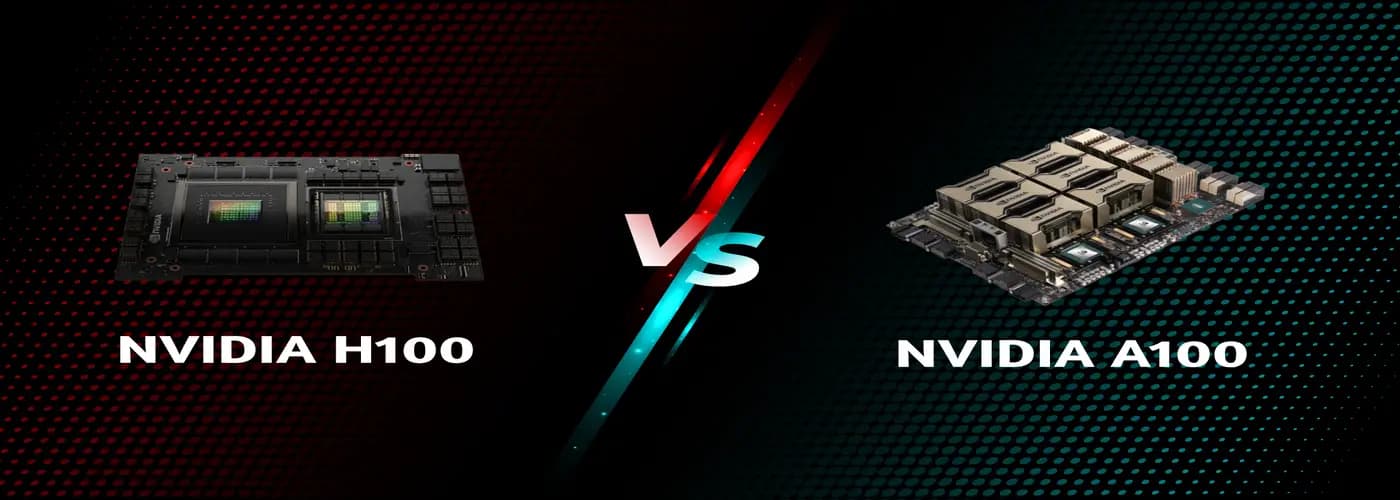
When it comes to high-performance computing, especially in areas like deep learning and scientific simulations, the choice of GPU and its connection interface is vital. Two of the most prominent names in this space are NVIDIA’s H100 and A100 GPU cards, known for their high performance and efficient processing capabilities.
But how do these cards connect to the system, and what’s the difference between using SXM (NVIDIA’s NVLink Socket) or PCI-E (Peripheral Component Interconnect Express)? Let’s dive into the intricate details and explore the difference between these two connections for the high-end H100 and A100 cards.
Choosing between SXM and PCI-E is not merely a technical decision; it is a strategic choice that can influence the entire computational workflow. SXM is typically the choice for those seeking the cutting edge in performance, ideal for environments where speed and data throughput are paramount. In contrast, PCI-E offers a more accessible and versatile option, suitable for a broader range of applications.