







{{ getTotalItems }} results found

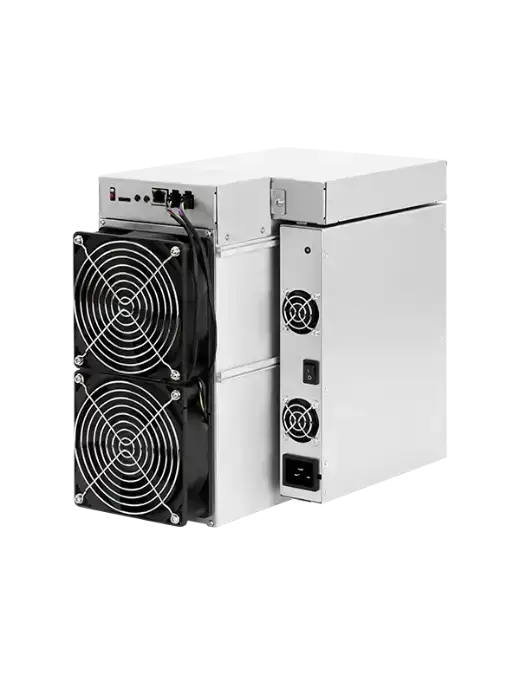
 yami-tech-ym-100-2400mh-s-2200w-etc-ethw
$4,100.00
yami-tech-ym-100-2400mh-s-2200w-etc-ethw
$4,100.00
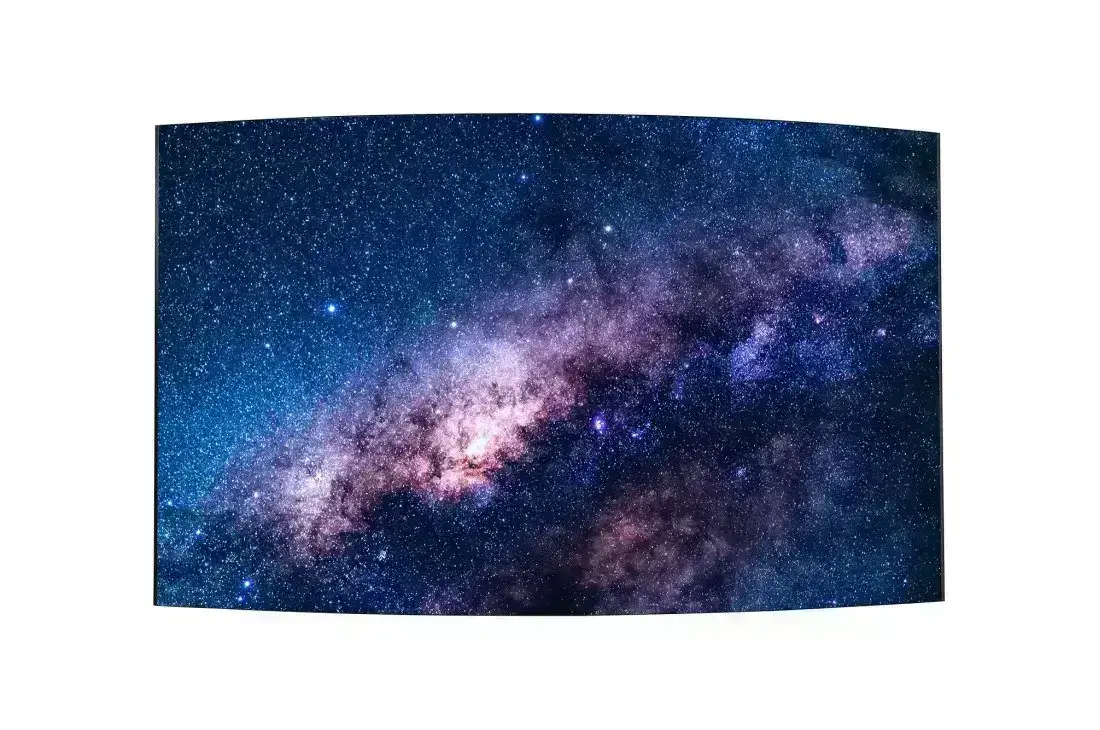
 muxwave-m6-ultra-thin-ultra-clear-transparent-flexible-oled
$2,600.00
muxwave-m6-ultra-thin-ultra-clear-transparent-flexible-oled
$2,600.00
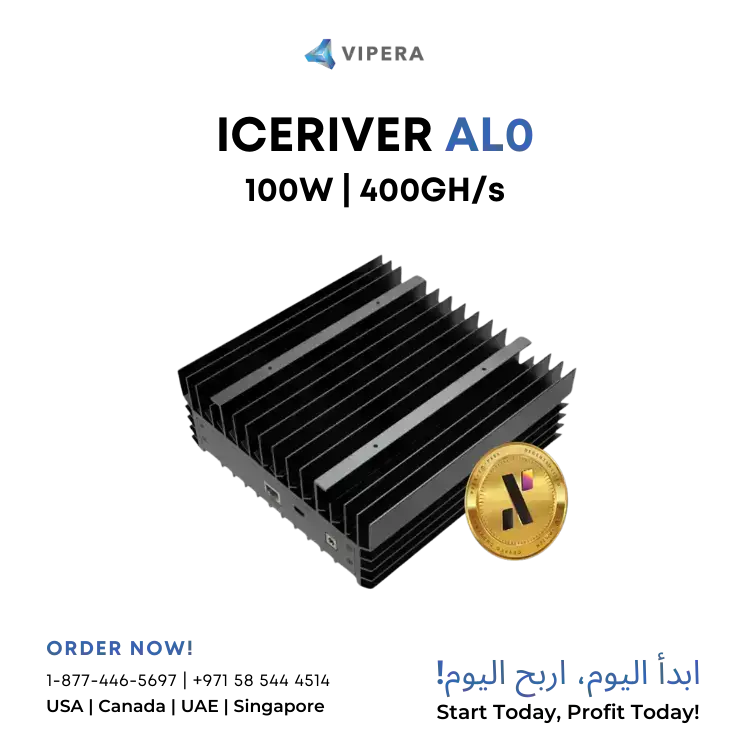 iceriver-al0-400gh-s-100w-alph-2
$299.00
iceriver-al0-400gh-s-100w-alph-2
$299.00
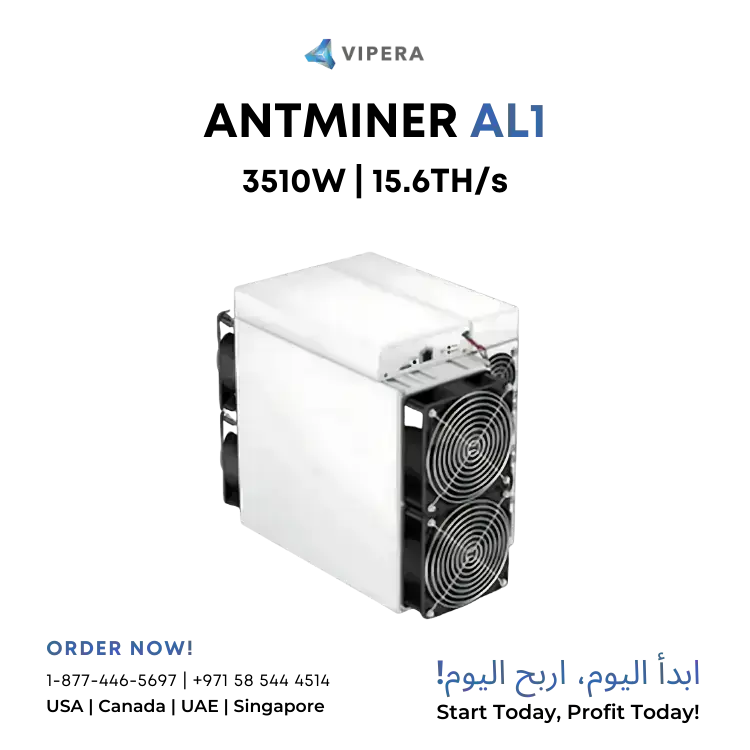 bitmain-antminer-al1-15-6th-s-3510w-alph
$10,299.00
bitmain-antminer-al1-15-6th-s-3510w-alph
$10,299.00
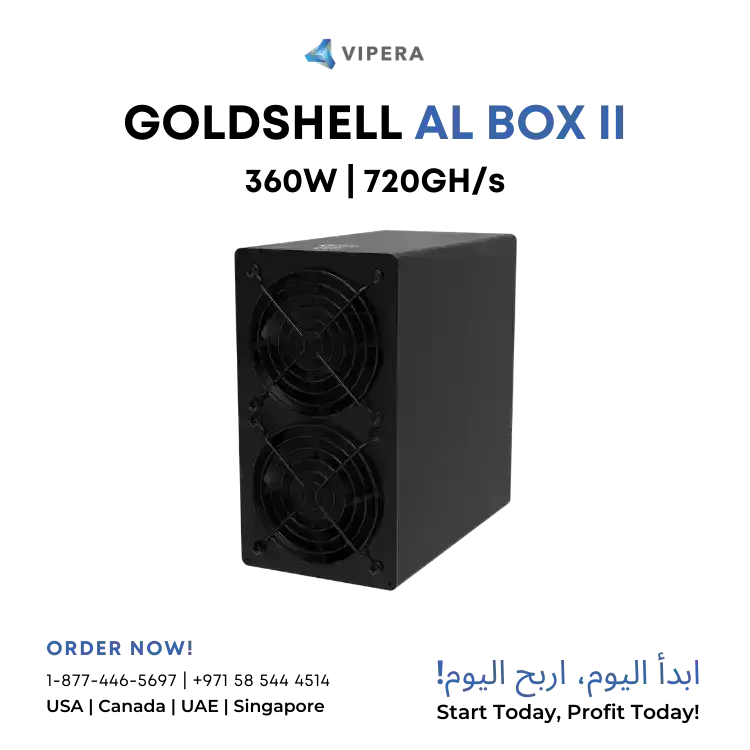 goldshell-al-box-ii-720gh-s-360w-alph
$1,649.00
goldshell-al-box-ii-720gh-s-360w-alph
$1,649.00
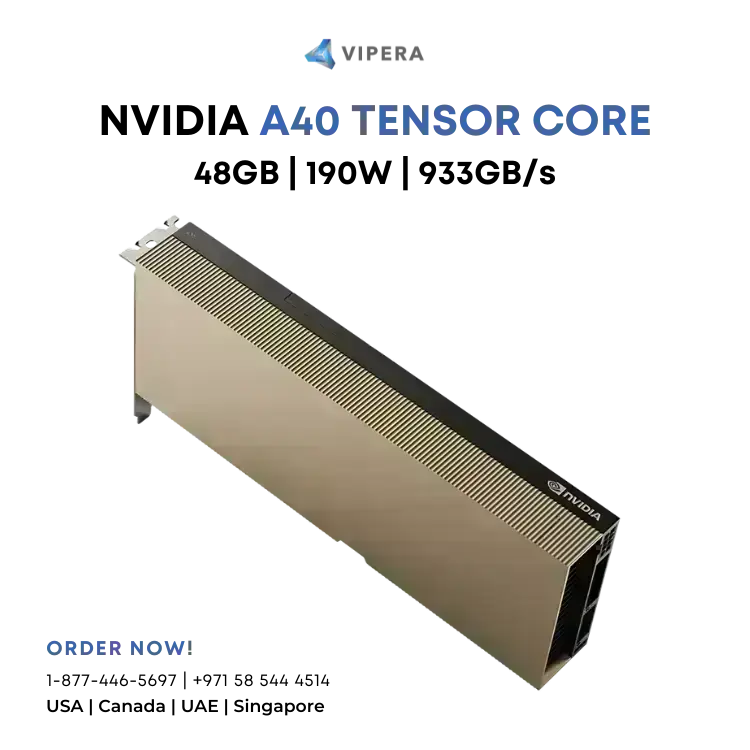 nvidia-a40-enterprise-tensor-core-48gb-190w
$5,800.00
nvidia-a40-enterprise-tensor-core-48gb-190w
$5,800.00
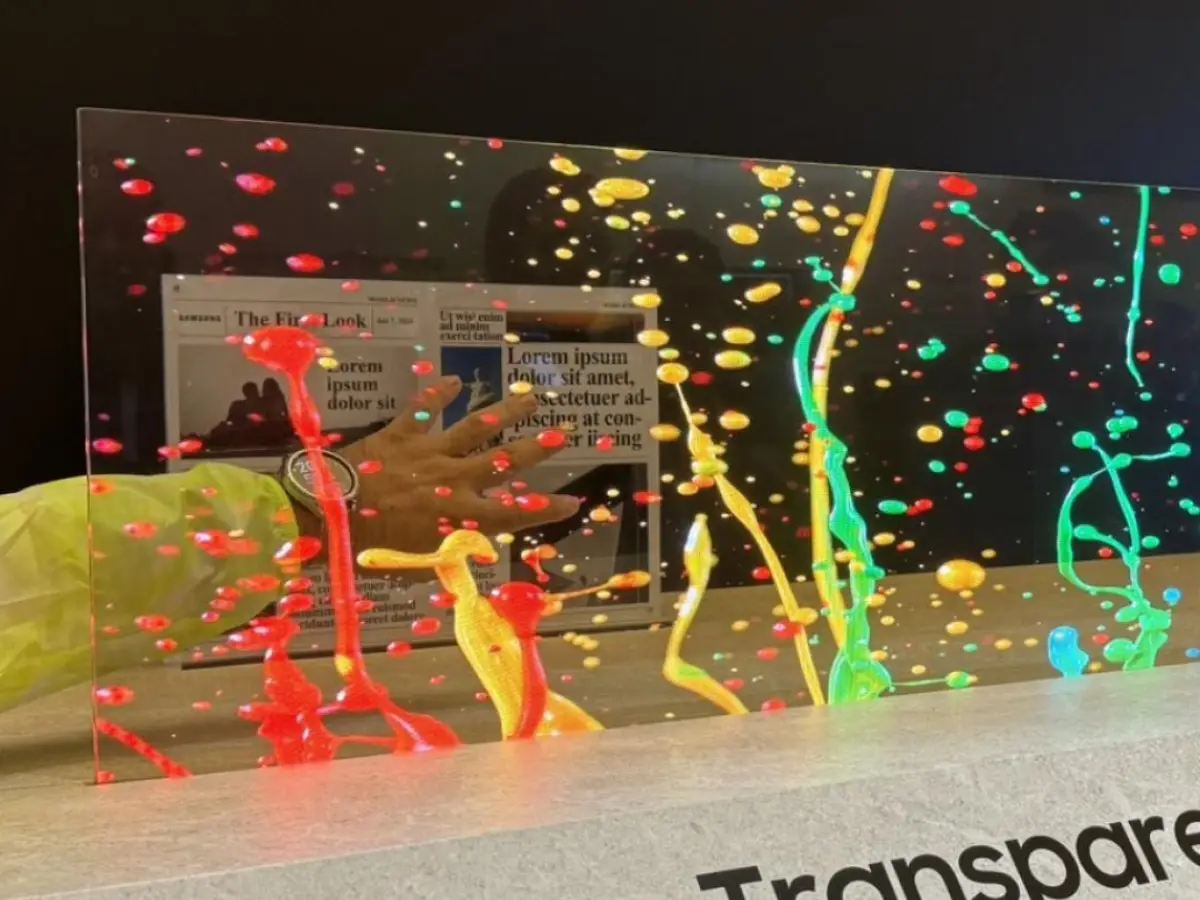
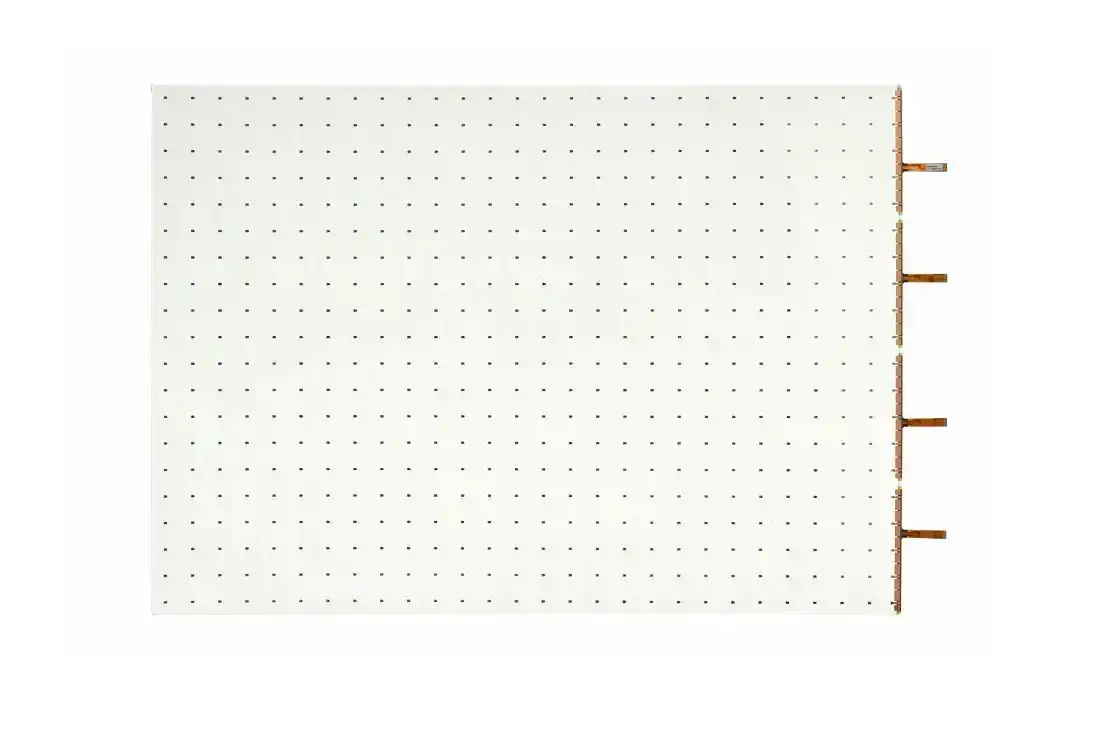
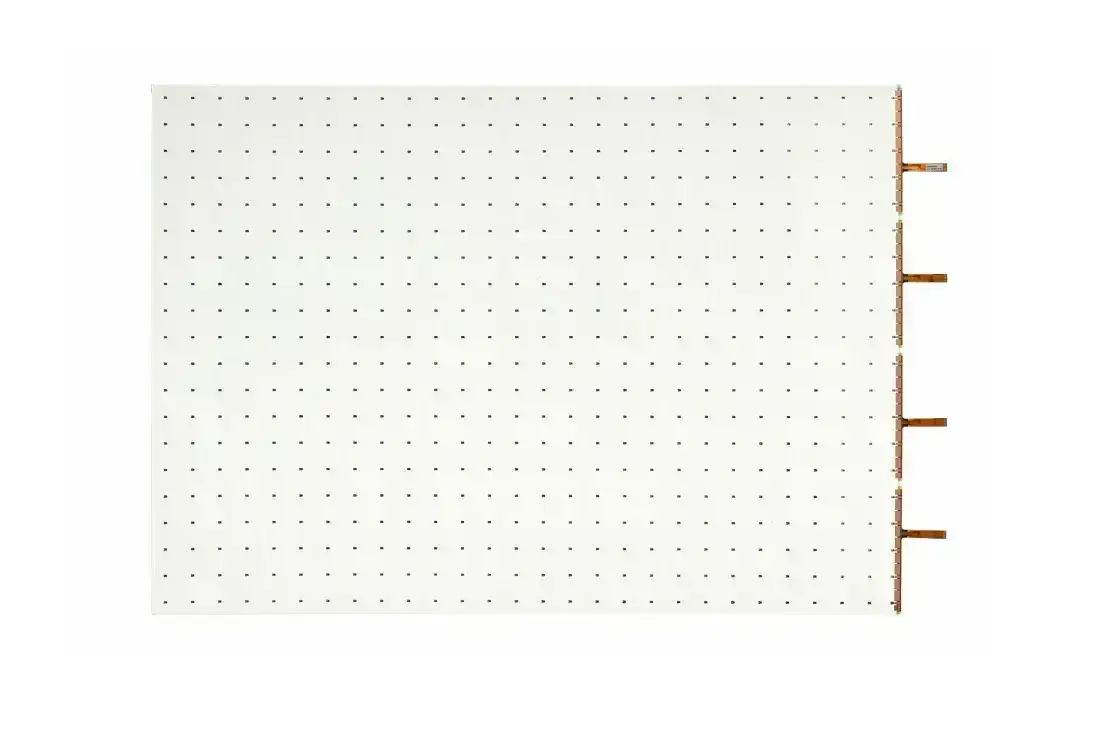
Samsung Electronics has unveiled an extraordinary advancement in display technology with its new Transparent MICRO LED Display. This innovation is not just an improvement but a complete redefinition of the viewing experience. By seamlessly blending digital content with reality, this technology is set to create a new paradigm in how we interact with visual media.
The world got its first glimpse of this revolutionary technology at the Samsung First Look 2024 event on January 7. This unveiling was strategically planned just before the Consumer Electronics Show (CES) 2024, the most prominent global platform for consumer electronics and information technology, hosted in Las Vegas from January 9-12. This timing underscores Samsung’s role as a leader in technological innovation.

https://www.youtube.com/watch?v=-jii1Knf_5g&ab_channel=Viperatech
This Transparent MICRO LED display is the culmination of six years of relentless research and development. It represents a fusion of top-tier craftsmanship with technological innovation. Samsung’s commitment to pushing the boundaries of what’s possible in display technology is evident in this product, which stands as a testament to the company’s dedication to excellence and innovation.
The design of the Transparent MICRO LED is nothing short of futuristic. Its crystal-clear, glass-like appearance not only captivates the viewer but also revolutionizes the concept of a display screen. This new design paradigm is set to change how global consumers perceive and interact with visual content, offering an immersive experience that was previously unimaginable.

The potential applications of Samsung’s Transparent MICRO LED are vast and exciting. From enhancing the vibrancy of sports broadcasts to bringing a new level of immersion to movie-watching, this technology promises to transform our entertainment experiences. It’s not just about watching content; it’s about living it in a way that blurs the lines between the screen and reality.
In conclusion, Samsung’s Transparent MICRO LED Display is more than just a new product; it’s a visionary leap forward in display technology. By redefining the boundaries between content and reality, Samsung is not only enhancing our current viewing experiences but also paving the way for future innovations in how we consume and interact with media. Stay tuned for more updates and explore the capabilities of this amazing technology in the accompanying video.
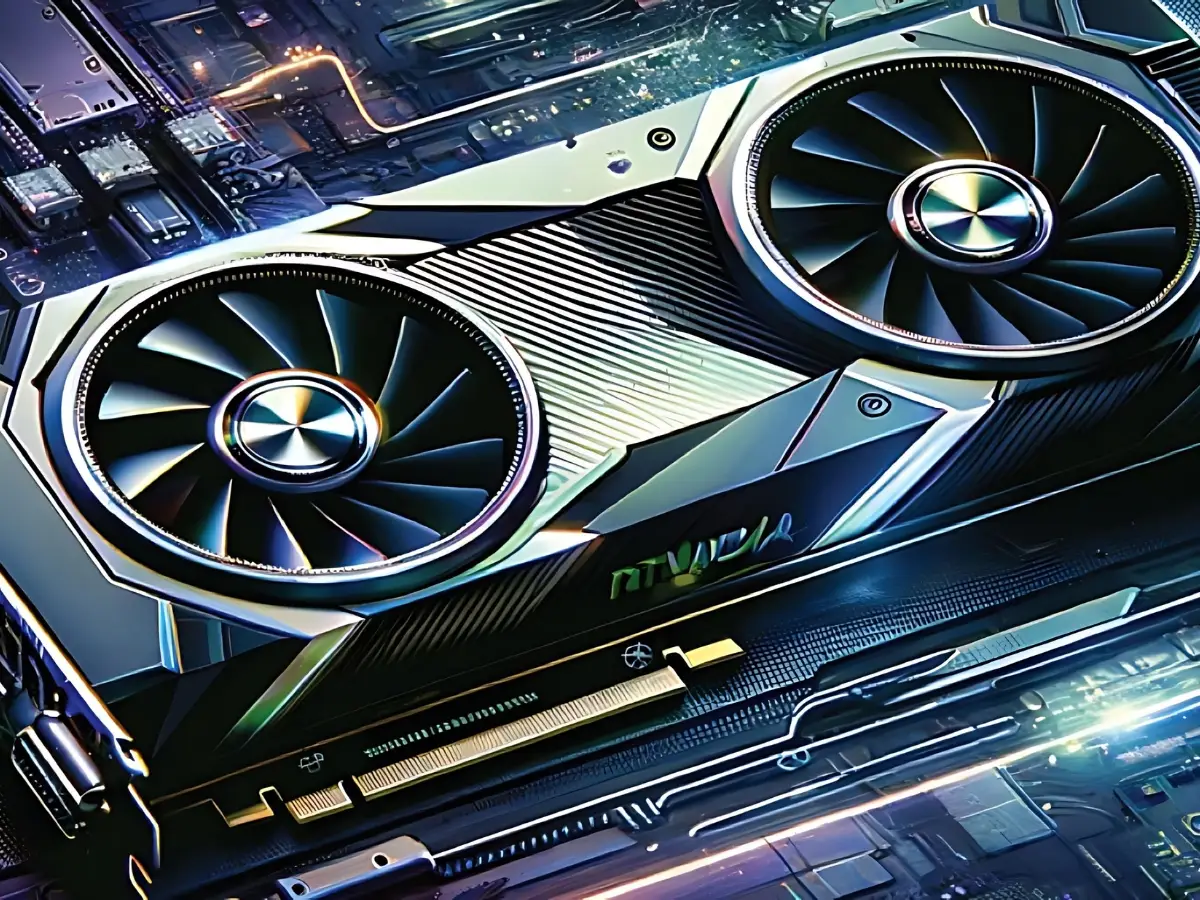
Nvidia continues to push the boundaries of graphics technology with its upcoming RTX 50-series GPUs. Building on the success of the RTX 40-series, the company is gearing up to introduce the next generation of graphics cards that promise to redefine user experience in gaming, professional graphics, and AI applications.
The RTX 50-series, based on leaks and speculations, is expected to introduce several groundbreaking features:
These speculated features suggest significant advancements in graphics processing capabilities, promising to deliver a new level of gaming realism, faster rendering for creators, and more efficient computation for AI and machine learning tasks.

The RTX 50-series is anticipated to launch between late 2024 and early 2025. This projection, influenced by competitive dynamics and market trends, positions Nvidia in a strategic spot against its rivals, especially AMD.
Pricing remains speculative, but given the trends and Nvidia’s historical pricing strategies, the market might expect a premium range, particularly for high-end models. Nvidia’s pricing strategy will be crucial in maintaining its market leadership while balancing affordability for a wider range of consumers.
Little is known about the specifics of the Blackwell architecture, but it is expected to offer significant advancements over the current Ada Lovelace architecture. These improvements may include enhanced energy efficiency, greater processing power, and better overall performance.
Performance-wise, while actual benchmarks are not yet available, the RTX 50-series could see substantial gains, especially in the flagship models. These improvements are not just important for gamers and enthusiasts but also for professionals in fields like 3D rendering, video editing, and AI research.

The phase-out of the RTX 4080 and 4070 Ti models signifies Nvidia’s commitment to innovation and progress. By focusing on the ‘Super’ versions, Nvidia aims to offer improved performance and features, aligning with consumer expectations and market trends.
The Nvidia RTX 50-series is shaping up to be a major leap forward in graphics card technology. While the community awaits official announcements, the speculated features and improvements already indicate that Nvidia is poised to once again redefine the standards of high-performance GPUs. As the release date draws closer, enthusiasts and professionals alike are keen to see how Nvidia will continue its legacy of innovation in the graphics card market.
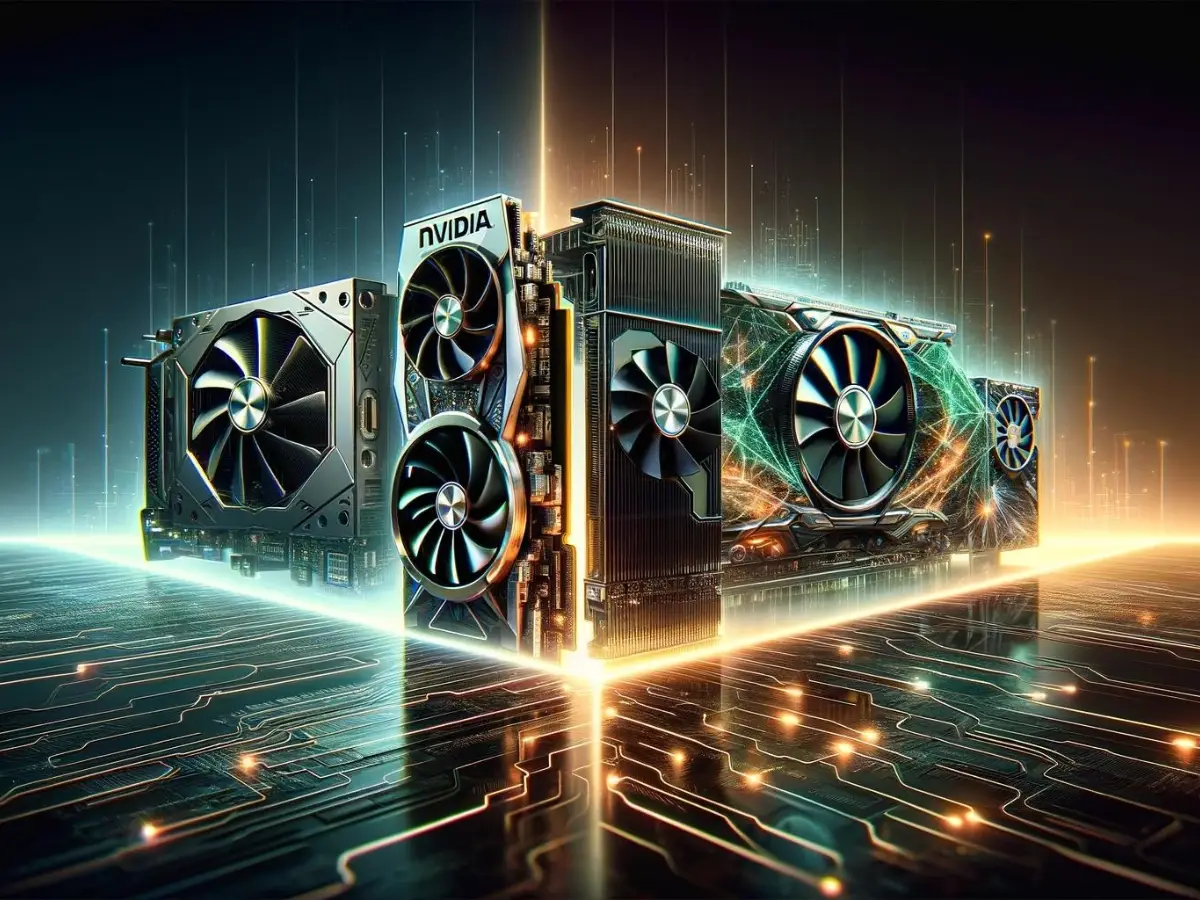
When planning enhancements for your data center, it’s essential to grasp the entire range of available GPU technologies, particularly as they evolve to tackle the intricate requirements of heavy-duty workloads. This article presents a detailed comparison of two notable NVIDIA GPUs: the L40S and the A100. Each GPU is distinctively designed to cater to specific requirements in AI, graphics, and high-performance computing sectors. We will analyze their individual features, ideal applications, and detailed technical aspects to assist in determining which GPU aligns best with your organizational goals. It’s important to note that the NVIDIA A100 is being discontinued in January 2024, with the L40S emerging as a capable alternative. This change comes as NVIDIA prepares to launch the Grace Hopper 200 (GH200) card later this year. Additionally, for those eager to stay updated with the latest advancements in GPU technology.

The L40S GPU excels in the realm of generative AI, offering the requisite computational strength essential for creating new services, deriving fresh insights, and crafting unique content.
In the ever-growing field of natural language processing, the L40S stands out by providing ample capabilities for both the training and implementation of extensive language models.
The GPU is proficient in handling detailed creative processes, including 3D design and rendering. This makes it an excellent option for animation studios, architectural visualizations, and product design applications.
Equipped with advanced media acceleration functionalities, the L40S is particularly effective for video processing, addressing the complex requirements of content creation and streaming platforms.

The NVIDIA A100 GPU stands as a targeted solution in the realms of AI, data analytics, and high-performance computing (HPC) within data centers. It is renowned for its ability to deliver effective and scalable performance, particularly in specialized tasks. The A100 is not designed as a universal solution but is instead optimized for areas requiring intensive deep learning, sophisticated data analysis, and robust computational strength. Its architecture and features are ideally suited for handling large-scale AI models and HPC tasks, providing a considerable enhancement in performance for these particular applications.

In performance terms, the L40S boasts 1,466 TFLOPS Tensor Performance, making it a prime choice for AI and graphics-intensive workloads. Conversely, the A100 showcases 19.5 TFLOPS FP64 performance and 156 TFLOPS TF32 Tensor Core performance, positioning it as a powerful tool for AI training and HPC tasks.

AMAX specializes in incorporating these advanced NVIDIA GPUs into bespoke IT solutions. Our approach ensures that whether the focus is on AI, HPC, or graphics-heavy workloads, the performance is optimized. Our expertise also includes advanced cooling technologies, enhancing the longevity and efficiency of these GPUs.
Selecting between the NVIDIA L40S and A100 depends on specific workload requirements. The L40S is an excellent choice for entities venturing into generative AI and advanced graphics, while the A100, although being phased out in January 2024, remains a strong option for AI and HPC applications. As NVIDIA transitions to the L40S and prepares for the release of the GH200, understanding the nuances of each GPU will be crucial for leveraging their capabilities effectively.
In conclusion, NVIDIA’s transition from the A100 to the L40S represents a significant shift in GPU technology, catering to the evolving needs of modern data centers. With the upcoming GH200, the landscape of GPU technology is set to witness further advancements. Understanding these changes and aligning them with your specific requirements will be key to harnessing the full potential of NVIDIA’s GPU offerings.
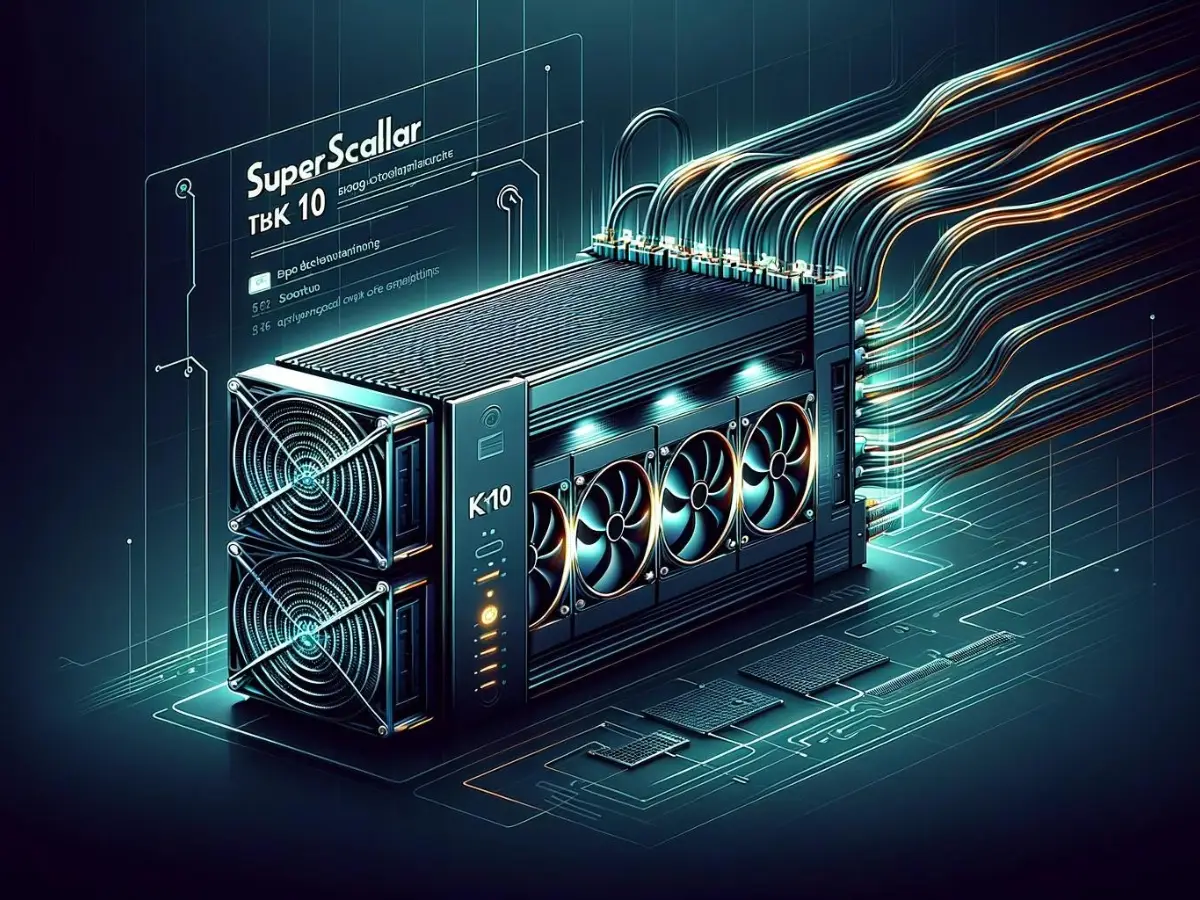
The cryptocurrency mining landscape is witnessing a paradigm shift with the introduction of the Superscalar K10 FPGA. This application-specific integrated circuit (ASIC) miner is not just another addition to the market; it is a game-changer, particularly for those invested in the emerging Kaspa coin, which operates on the kHeavyHash algorithm. The Superscalar K10 is engineered to mine Kaspa, a digital currency that’s swiftly carving its niche in the competitive crypto space due to its increasing popularity and profitability.

When it comes to mining hardware, the Superscalar K10 doesn’t just perform; it outperforms. It transcends the capabilities of the e300 FPGA, the only non-GPU oriented alternative until now, both in performance and value. This leap is not a small step but a giant leap for miners looking to maximize their returns.
The kHeavyHash algorithm stands at the core of the K10’s innovation. It is intricately designed to enhance the proof-of-work for KAS, making the K10 one of the most proficient mining machines available. What does this mean for the miner? With a formidable hash rate of 30 GH/s, the Superscalar K10 can mine approximately 686 Kaspa coins daily (subject to market conditions).
In the world of crypto mining, efficiency is king. The Superscalar K10 reigns supreme with a power consumption of only 1700W. This efficiency isn’t just about energy conservation; it’s about cost-effectiveness. Mining Kaspa coins with the K10 means significantly lowering the energy expenses associated with mining operations.
Every miner seeks not just performance but also reliability. The Superscalar K10 comes with a reassuring 6-month manufacturer warranty, ensuring that your investment is protected. Additionally, the inclusion of a power supply means you’re ready to mine right out of the box.
While the K10 is optimized for Kaspa, its versatility extends to other coins like Alephium (ALPH), Radiant (RXD), and IronFish (IRON), offering miners a broad spectrum of mining possibilities.


We are thrilled to announce that we have recently updated our firmwares page, ensuring that you always have access to the latest and most advanced firmware files for your needs. At ViperaTech, we understand the importance of keeping your devices up-to-date and running smoothly, which is why we are committed to being your one-stop destination for all firmware updates.
Our updated firmware page now includes a comprehensive range of the latest firmware files for various devices. Whether you’re looking to upgrade the functionality, enhance security features, or simply keep your device in tune with the latest technological advancements, we’ve got you covered.
You can download the latest Mining firmware by clicking here.

For those who are looking to push their devices to the limit, we have also introduced a selection of third-party overclocking firmwares. These firmwares are designed to help you get the most out of your device by enhancing its performance capabilities.
You can check firmware from other sources by clicking here.
While these overclocking firmwares can offer increased performance, please be advised that using third-party overclocking firmwares may void your warranty. Vipera Tech is not responsible for any damages, faults, or performance issues that may arise from the use of these firmwares. We strongly recommend considering the potential risks and proceeding with caution. Use at your own risk.
Comprehensive Collection: From the latest official updates to specialized third-party firmwares, find everything in one place.
Safe and Reliable: We ensure that all firmware files on our platform are verified and safe to use.
Expert Support: Our team is here to assist you with any questions or guidance you might need during the update process.

At ViperaTech, we are dedicated to providing you with the tools and resources you need to ensure your devices are always running at their best. Visit our firmware page today to explore the latest updates and take your device’s performance to the next level!
At ViperaTech, our goal is to empower you with the latest technology to maximize the performance and longevity of your devices. By offering a wide range of firmware updates, including advanced third-party options, we aim to be the go-to source for all your firmware needs. Remember, with great power comes great responsibility. Use our resources wisely and enhance your devices’ capabilities safely and efficiently.
Thank you for choosing ViperaTech – where technology meets expertise.
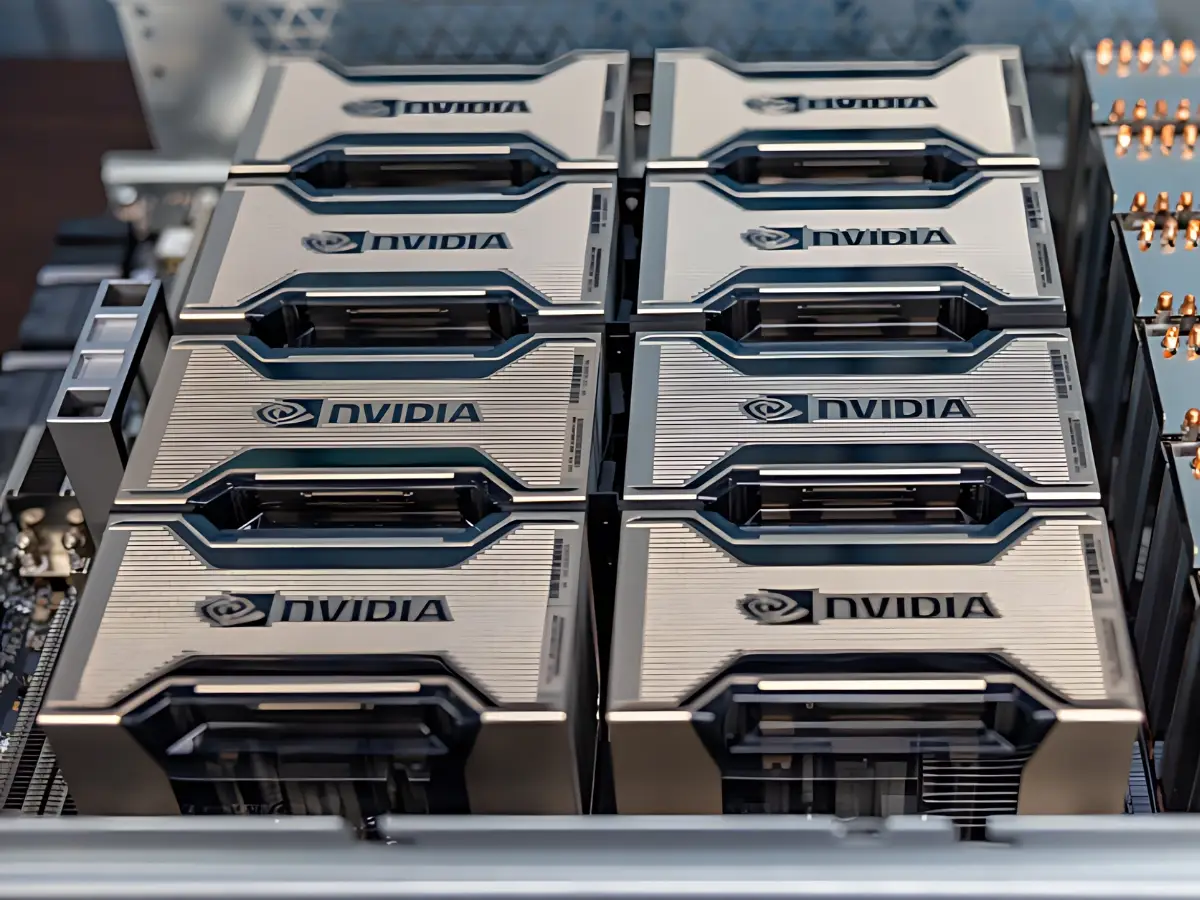
A frequent topic of inquiry we encounter involves understanding the distinctions between the NVIDIA DGX and NVIDIA HGX platforms. Despite the resemblance in their names, these platforms represent distinct approaches NVIDIA employs to market its 8x GPU systems featuring NVLink technology. The shift in NVIDIA’s business strategy was notably evident during the transition from the NVIDIA P100 “Pascal” to the V100 “Volta” generations. This period marked the significant rise in prominence of the HGX model, a trend that has continued through the A100 “Ampere” and H100 “Hopper” generations.
Focusing primarily on the 8x GPU configurations that utilize NVLink, NVIDIA’s product lineup includes the DGX and HGX lines. While there are other models like the 4x GPU Redstone and Redstone Next, the flagship DGX/HGX (Next) series predominantly features 8x GPU platforms with SXM architecture. To understand these systems better, let’s delve into the process of building an 8x GPU system based on the NVIDIA Tesla P100 with SXM2 configuration.

Each server manufacturer designs and builds a unique baseboard to accommodate GPUs. NVIDIA provides the GPUs in the SXM form factor, which are then integrated into servers by either the server manufacturers themselves or by a third party like STH.
This task proved to be quite challenging. We encountered an issue with a prominent server manufacturer based in Texas, where they had applied an excessively thick layer of thermal paste on the heatsinks. This resulted in damage to several trays of GPUs, with many experiencing cracks. This experience led us to create one of our initial videos, aptly titled “The Challenges of SXM2 Installation.” The difficulty primarily arose from the stringent torque specifications required during the GPU installation process.
During this development, NVIDIA established a standard for the 8x SXM GPU platform. This standardization incorporated Broadcom PCIe switches, initially for host connectivity, and subsequently expanded to include Infiniband connectivity.

It also added NVSwitch. NVSwitch was a switch for the NVLink fabric that allowed higher performance communication between GPUs. Originally, NVIDIA had the idea that it could take two of these standardized boards and put them together with this larger switch fabric. The impact, though, was that now the NVIDIA GPU-to-GPU communication would occur on NVIDIA NVSwitch silicon and PCIe would have a standardized topology. HGX was born.
Let’s delve into a comparison of the NVIDIA V100 setup in a server from 2020, renowned for its standout color scheme, particularly in the NVIDIA SXM coolers. When contrasting this with the earlier P100 version, an interesting detail emerges. In the Gigabyte server that housed the P100, one could notice that the SXM2 heatsinks were without branding. This marked a significant shift in NVIDIA’s approach. With the advent of the NVSwitch baseboard equipped with SXM3 sockets, NVIDIA upped its game by integrating not just the sockets but also the GPUs and their cooling systems directly. This move represented a notable advancement in their hardware design strategy.

The consequences of this development were significant. Server manufacturers now had the option to acquire an 8-GPU module directly from NVIDIA, eliminating the need to apply excessive thermal paste to the GPUs. This change marked the inception of the NVIDIA HGX topology. It allowed server vendors the flexibility to customize the surrounding hardware as they desired. They could select their preferred specifications for RAM, CPUs, storage, and other components, while adhering to the predetermined GPU configuration determined by the NVIDIA HGX baseboard.
This was very successful. In the next generation, the NVSwitch heatsinks got larger, the GPUs lost a great paint job, but we got the NVIDIA A100.
The codename for this baseboard is “Delta”.
Officially, this board was called the NVIDIA HGX.
NVIDIA, along with its OEM partners and clients, recognized that increased power could enable the same quantity of GPUs to perform additional tasks. However, this enhancement came with a drawback: higher power consumption led to greater heat generation. This development prompted the introduction of liquid-cooled NVIDIA HGX A100 “Delta” platforms to efficiently manage this heat issue.

The HGX A100 assembly was initially introduced with its own brand of air cooling systems, distinctively designed by the company.
In the newest “Hopper” series, the cooling systems were upscaled to manage the increased demands of the more powerful GPUs and the enhanced NVSwitch architecture. This upgrade is exemplified in the NVIDIA HGX H100 platform, also known as “Delta Next”.
NVIDIA’s DGX and HGX platforms represent cutting-edge GPU technology, each serving distinct needs in the industry. The DGX series, evolving since the P100 days, integrates HGX baseboards into comprehensive server solutions. Notable examples include the DGX V100 and DGX A100. These systems, crafted by rotating OEMs, offer fixed configurations, ensuring consistent, high-quality performance.
While the DGX H100 sets a high standard, the HGX H100 platform caters to clients seeking customization. It allows OEMs to tailor systems to specific requirements, offering variations in CPU types (including AMD or ARM), Xeon SKU levels, memory, storage, and network interfaces. This flexibility makes HGX ideal for diverse, specialized applications in GPU computing.

In the ever-evolving realm of digital finance, cryptocurrencies have disrupted traditional financial paradigms, with Bitcoin (BTC) consistently dominating headlines. This digital currency has sparked widespread debates and intense interest among investors globally. A key focal point in today’s discussion is the audacious Bitcoin prediction by Standard Chartered—a milestone too significant to overlook.

Recently, Geoff Kendrick, the Head of Crypto Research at Standard Chartered Bank, projected that Bitcoin is on track to reach an astounding $100,000 by the end of 2024. As of now, Bitcoin stands robustly at $43,000 USD, indicating a notable upswing in its market value. This increase has reignited interest in the cryptocurrency space, with Kendrick noting that the rising market cap of digital assets will likely be a major driver of Bitcoin’s price growth.
An intriguing development is the latest on-chain data, which shows Bitcoin’s volatility now lagging behind major indices. This indicates a maturing market, potentially more attractive to institutional investors. Kendrick highlighted the growing likelihood of a spot Bitcoin exchange-traded fund (ETF) being approved by the U.S. Securities and Exchange Commission (SEC), which could further fuel Bitcoin’s price surge.
Technical analysis reveals Bitcoin grappling with a significant resistance level around $42,500. Surpassing this barrier could open the door for substantial gains, in line with Standard Chartered’s optimistic forecast.
The recent ascent of Bitcoin above $38,200 has sparked a resurgence of institutional interest, lending credence to the bank’s confidence in Bitcoin’s growth trajectory.
On-chain statistics present a compelling narrative. Bitcoin’s 30-day Average Intra-Day Volatility is currently lower than that of the S&P 500 and NASDAQ-100 indexes, as per IntoTheBlock data. This reduced volatility may signal Bitcoin’s emergence as a mature asset class, enticing further corporate investment.

With the next Bitcoin halving scheduled for April 2024, there is anticipation that bullish BTC holders might be less inclined to sell. Historically, such events have led to a spike in Bitcoin’s value, potentially propelling it towards the $100,000 mark forecasted by Standard Chartered.
Bitcoin’s journey has been marked by dramatic highs and lows, leading critics to point out its inherent volatility and potential investment risks. Environmental concerns regarding Bitcoin mining’s high energy consumption also add to the critiques.
When considering investing in Bitcoin, the wisdom of diversification rings true. Global In/Out of the Money (GIOM) data suggests a significant number of holders bought Bitcoin around the $42,000 level. As the price approaches this level again, we may see a mix of profit realization and a potential surge past this resistance.
Bitcoin, like any investment, carries risks. However, the immense growth potential and the bullish outlook from institutions like Standard Chartered make it an asset worth considering for a diversified investment strategy.

Should Bitcoin’s price fall below $30,000, support might come from the 6.45 million holders who purchased at an average of $30,400. Their commitment to hold could play a pivotal role in stabilizing Bitcoin’s price in the foreseeable future.
The vision of Bitcoin reaching $100,000 by 2024, as projected by Standard Chartered, is ambitious yet supported by market trends and expert opinions. Investors should balance optimism with reality, recognizing the volatility and risks, while also acknowledging the growing acceptance and interest in Bitcoin from the business and financial sectors.
Standard Chartered’s Bitcoin prediction symbolizes a forward-looking perspective in the financial world, inviting exploration beyond traditional boundaries. However, as we venture into this promising future, the importance of risk management, portfolio diversification, and staying informed for making prudent investment decisions remains paramount. Stay engaged with us as we continue to unravel the intricacies of the cryptocurrency world, offering insightful strategies and valuable investment advice.

In a groundbreaking move, Kaspa (KAS) has stormed into the limelight by making its mark on Binance’s perpetual futures market. Traders can now harness the power of up to 50x leverage in USDT pairings, presenting them with unprecedented opportunities for potential gains. Despite a minor 4.49% price dip today, with Kaspa settling at $0.122, the cryptocurrency’s journey stands out as a remarkable feat in the ever-evolving crypto space.

The integration into Binance’s futures market follows Kaspa’s recent triumph in a crowdfunding campaign, where $30,000 was secured for liquidity and marketing initiatives. Since its fair launch in June 2022, Kaspa has secured listings on major centralized exchanges (CEXs), including Bybit and Coinone. Notably, spot trading for Kaspa is eagerly anticipated but remains unavailable on Binance.
Kaspa attributes much of its success to its innovative proof-of-work directed acyclic graph (PoW-DAG) hybrid consensus mechanism. This groundbreaking technology has not only significantly enhanced GPU mining efficiency but has also propelled transaction speeds, guiding Kaspa into the top 30 cryptocurrencies by market capitalization within just 17 months since its inception.

The announcement of Kaspa’s listing on Binance Futures sent ripples through the crypto community, with the revelation shared on Twitter at 02:00 UTC the day before the listing. Despite market fluctuations, Kaspa boasts an extraordinary year-to-date surge of 2,353%, skyrocketing its market cap from January’s $82.35 million to an impressive $2.53 billion.
Looking ahead, a price prediction algorithm suggests a modest 2.5% growth for Kaspa by December 17th. This aligns with the overarching trend of a consolidating crypto market, which has witnessed a 26.61% rise over the past month. Binance’s dominant position in spot trading volume, currently holding 43.9%, adds credibility to this forecast, as per CoinGecko’s report.
Beyond the trading fervor, the demand for Kaspa miners has soared to unparalleled levels, propelling prices to unprecedented heights. The cryptocurrency’s surging market capitalization has strategically positioned miners in an exceptionally lucrative scenario, further amplifying the already bullish sentiment surrounding Kaspa. As the crypto landscape undergoes continual evolution, Kaspa’s entry into Binance Futures injects a new layer of excitement into its promising trajectory. Traders and enthusiasts alike eagerly anticipate the unfolding chapters in the dynamic digital asset’s journey.
Adding to the fervor, VIPERA offers a comprehensive range of Kaspa miners, catering to diverse needs within the mining community. From the efficient KS0 and advanced KS0 Pro to the powerful KS1, KS2, and KS3 models, each meticulously designed miner contributes to the overall strength and resilience of the Kaspa network. Additionally, the inclusion of the KS3M and Bitmain KS3 ensures that miners have a broad spectrum of options to choose from, aligning with their specific mining requirements.
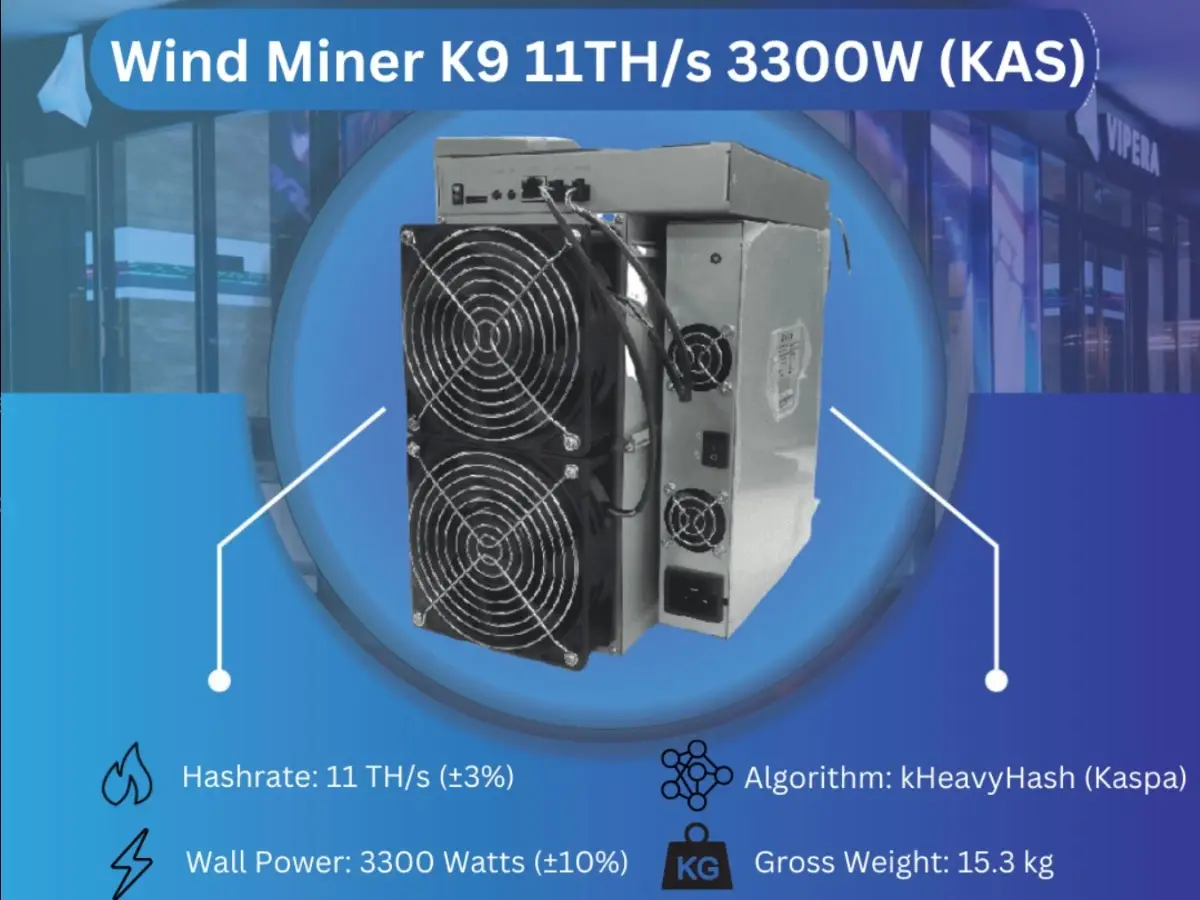
Cryptocurrency mining is an ever-evolving landscape, and staying ahead of the game requires top-tier hardware. The Wind Miner K9 is here to provide just that. With an incredible hashrate of 11 TH/s, the Wind Miner K9 promises a power-packed mining experience like no other. The best part? It’s currently on sale, allowing you to save a whopping $9850 on this remarkable mining machine. Let’s delve into the specifications and features that make the Wind Miner K9 a must-have for any crypto miner.
Model: K9
Algorithm: kHeavyHash (Kaspa) Hashrate: 11 TH/s (±3%) (reported as 10.3TH/s lowest) The Wind Miner K9 boasts an impressive hashrate of 11 TH/s. Whether you’re a seasoned miner or just starting your journey, this machine’s mining capabilities are truly exceptional.
Power on Wall: 3300 Watts (±10%) at 25°C Mining power consumption is a crucial factor for any miner. The Wind Miner K9 offers an optimal power-to-performance ratio, consuming only 3300 watts while delivering impressive results.
Power Efficiency on Wall: 0.3 J/G (±10%) at 25°C The Wind Miner K9’s energy efficiency is outstanding, with a power efficiency of just 0.3 J/G. This means you can mine cryptocurrency with minimal power consumption, saving on electricity costs.

The Wind Miner K9 is adaptable to various power supply voltages, making it suitable for miners in different regions around the world.
Connectivity is crucial for mining operations. With an RJ45 Ethernet connection, the Wind Miner K9 ensures reliable and fast network connectivity.
The Wind Miner K9’s dimensions of 305×185×290 mm (without the package) make it a compact powerhouse. With a net weight of 14.8 kg, it’s easy to set up and operate. The miner also comes with a one-year manufacturer replacement or repair warranty, providing peace of mind for your investment.
If you’re looking to get your hands on the Wind Miner K9, this is your chance! This is a preorder for the November batch with a tentative delivery date in late November 2023. By placing your order now, you can secure your unit and be among the first to experience the mining potential of this remarkable machine.
The Wind Miner K9 is not just a mining machine; it’s a game-changer for the cryptocurrency mining community. With its impressive hashrate, power efficiency, and compact design, it’s an ideal choice for both beginners and experienced miners. Don’t miss out on the incredible opportunity to save $9850 during this sale.
Whether you’re looking to expand your mining operations or start a new venture in the world of cryptocurrency, the Wind Miner K9 is a powerful tool that can help you achieve your goals. Secure your preorder now and get ready to unleash the potential of kHeavyHash (Kaspa) mining with the Wind Miner K9. Don’t wait – the future of crypto mining is here, and it’s waiting for you.