












{{ getTotalItems }} results found

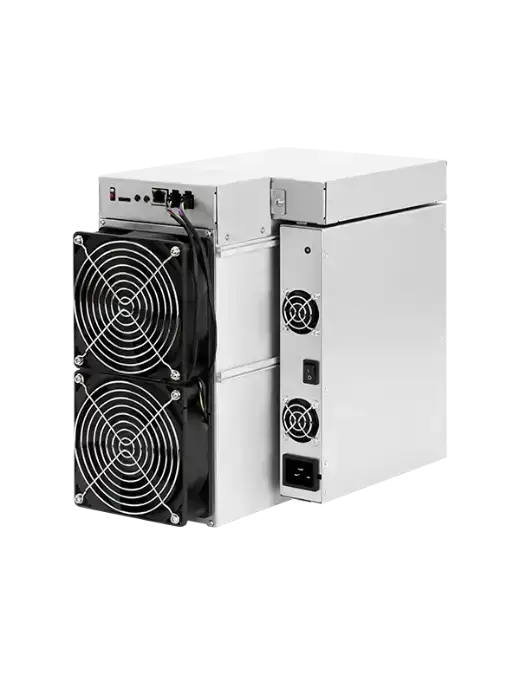
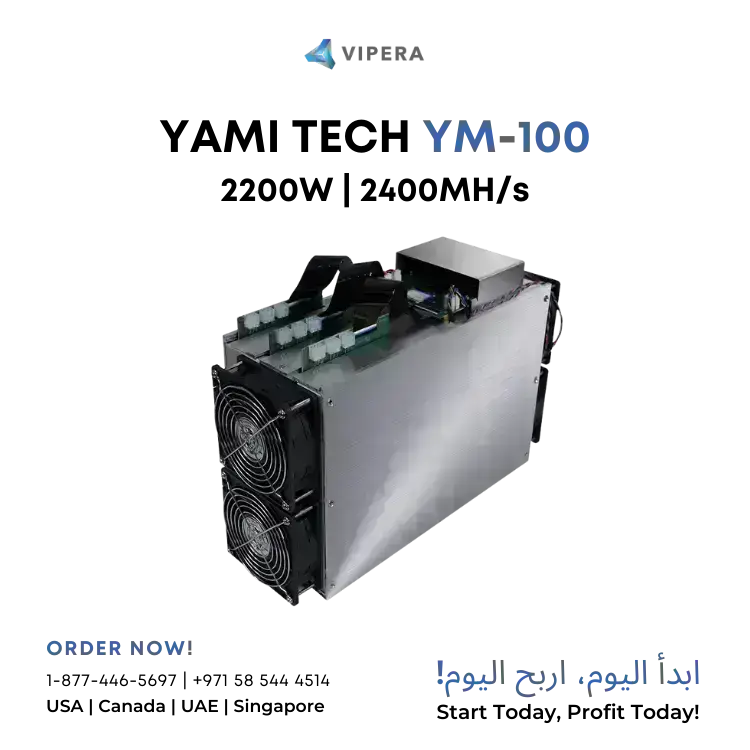 yami-tech-ym-100-2400mh-s-2200w-etc-ethw
$4,100.00
yami-tech-ym-100-2400mh-s-2200w-etc-ethw
$4,100.00
 muxwave-m6-ultra-thin-ultra-clear-transparent-flexible-oled
$2,600.00
muxwave-m6-ultra-thin-ultra-clear-transparent-flexible-oled
$2,600.00
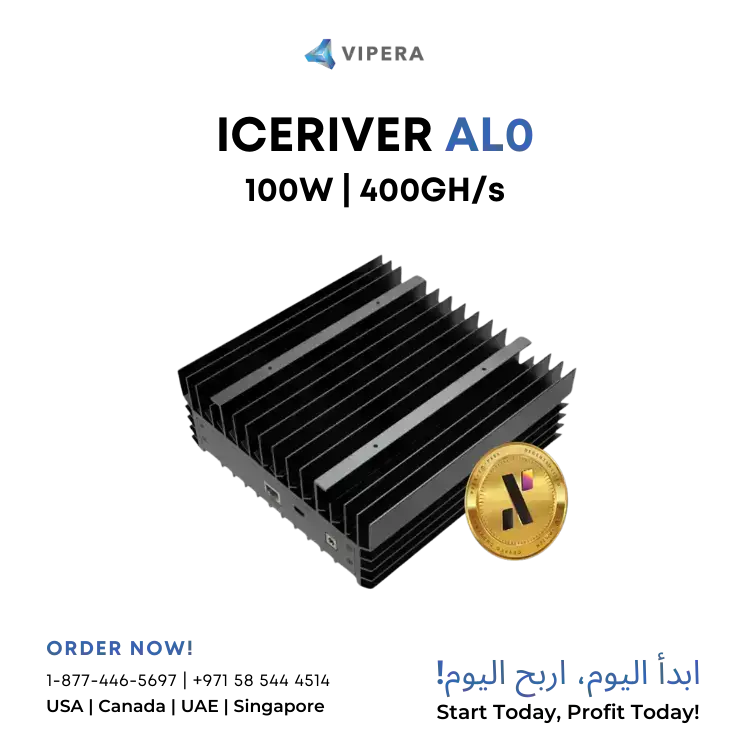 iceriver-al0-400gh-s-100w-alph-2
$299.00
iceriver-al0-400gh-s-100w-alph-2
$299.00
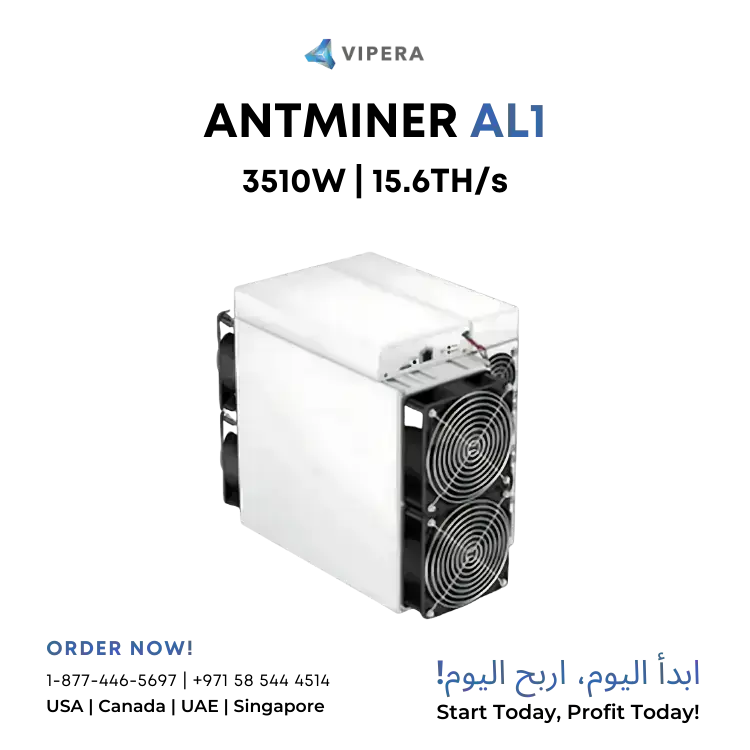 bitmain-antminer-al1-15-6th-s-3510w-alph
$10,299.00
bitmain-antminer-al1-15-6th-s-3510w-alph
$10,299.00
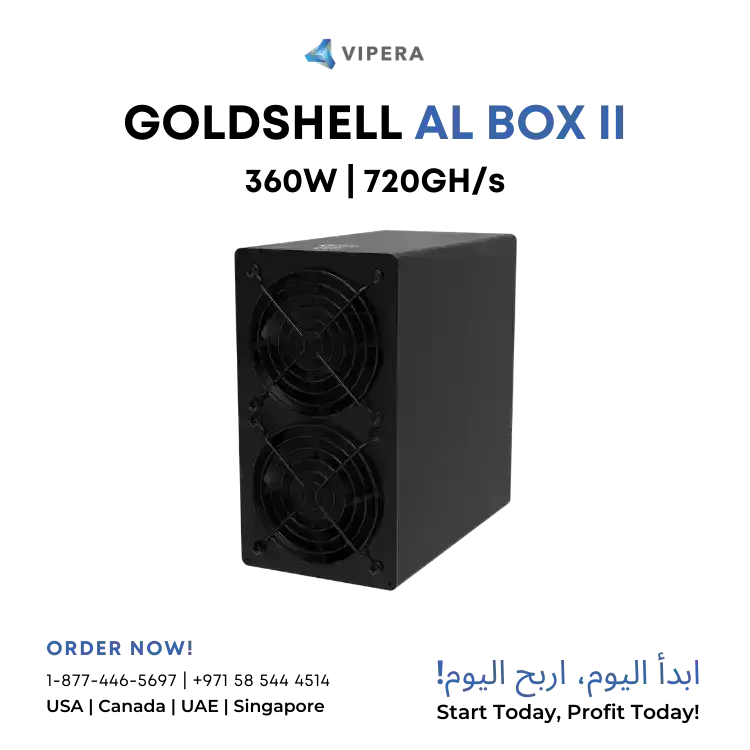 goldshell-al-box-ii-720gh-s-360w-alph
$1,649.00
goldshell-al-box-ii-720gh-s-360w-alph
$1,649.00
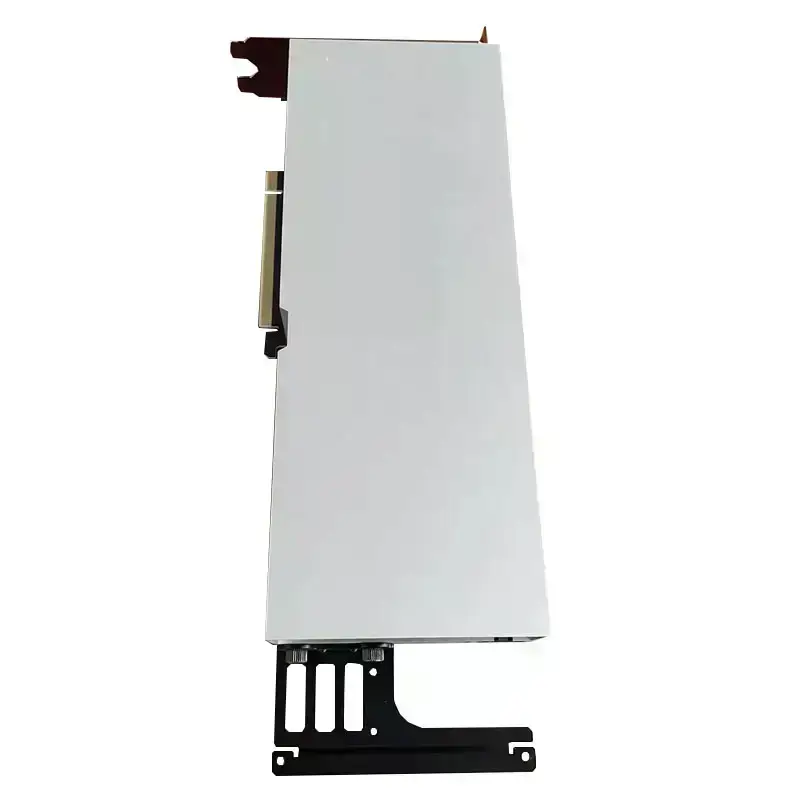
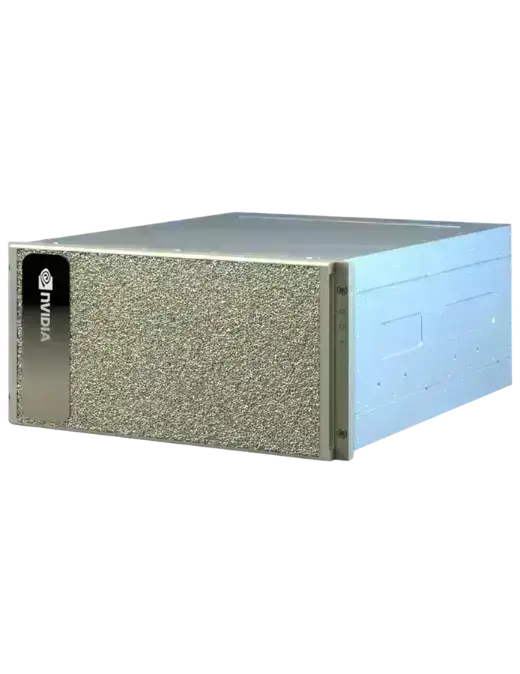
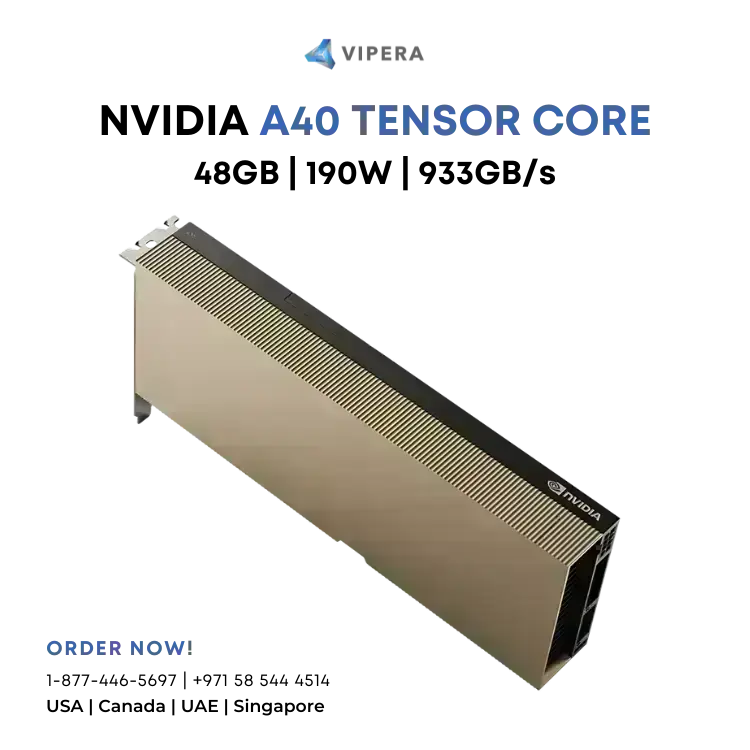 nvidia-a40-enterprise-tensor-core-48gb-190w
$5,800.00
nvidia-a40-enterprise-tensor-core-48gb-190w
$5,800.00

BITMAIN Unveils ANTSPACE HW5, MD5, and Upgraded HK3: High-Efficiency Innovations with New Oil-Cooling Container
The world of cryptocurrency mining is ever-evolving, and BITMAIN continues to lead the charge with its latest releases:
The ANTSPACE HW5, MD5, and the heavily upgraded HK3. These new models promise enhanced performance, efficient heat dissipation, and advanced features designed to optimize your mining operations. In this blog, we’ll dive into the specifics of each model, their capacities, and the cutting-edge technology that sets them apart.

✓ 1000 kW Dry Tower
✓ 160 Miner Capacity
✓ Newly Launched 40ft Oil-Cooling Container
✓ Modular Design for Reliable Operation
✓ Global Availability and Efficient Heat Dissipation
✓ Smart PDU Remote Monitoring
The ANTSPACE MD5 is designed to set a new benchmark in the mining industry. Its 1000 kW dry tower and 160 miner capacity make it a powerhouse, ideal for large-scale operations. The newly launched 40ft oil-cooling container ensures your miners stay cool even under the heaviest loads, significantly improving their longevity and performance. The modular design not only guarantees reliable operation but also simplifies maintenance and scalability.
With global availability, the ANTSPACE MD5 ensures that efficient heat dissipation is within reach for miners worldwide. Plus, the smart PDU remote monitoring system allows you to keep an eye on your operations from anywhere, ensuring maximum uptime and efficiency.

✓ 1200 kW Dry-Wet Tower
✓ 210 Miner Capacity
✓ All-In-One Design
✓ Time, Space, and Money Saving
✓ Brand New 40ft Container
The ANTSPACE HW5 takes efficiency to the next level with its 1200 kW dry-wet tower and a capacity to house 210 miners. This all-in-one design is a game-changer, saving you time, space, and money. The brand new 40ft container is built to accommodate your mining needs seamlessly, providing a robust and efficient solution for both novice and experienced miners.
The HW5’s all-in-one approach simplifies the mining setup process, reducing the need for additional equipment and infrastructure. This design not only enhances operational efficiency but also lowers overall costs, making it an attractive option for mining operations of all sizes.

✓ 1200 kW Dry-Wet Tower
✓ 1300 kW Dry Tower
✓ 210 Miner Capacity
✓ PTC Heater & Air Conditioner
✓ Sand Filter
✓ Upgraded Dry Tower
✓ Solar Roof
✓ Heat Recovery
The upgraded ANTSPACE HK3 is packed with features that promise to redefine mining performance. With a 1200 kW dry-wet tower and an impressive 1300 kW dry tower, it offers unparalleled cooling efficiency. The 210 miner capacity ensures that your operations can scale to meet increasing demands.
This model is equipped with a PTC heater and air conditioner, ensuring optimal operating temperatures regardless of external conditions. The sand filter and upgraded dry tower further enhance its cooling capabilities, while the solar roof and heat recovery systems contribute to sustainable and energy-efficient operations.
BITMAIN’s latest ANTSPACE models are designed to meet the growing demands of the cryptocurrency mining industry. Here’s why you should consider these cutting-edge solutions:

The oil-cooling container and advanced dry-wet towers ensure your miners remain cool and efficient, reducing downtime and maintenance costs.

With capacities ranging from 160 to 210 miners, these models can handle large-scale operations, making them suitable for industrial-level mining.

Features like the solar roof and heat recovery systems help minimize energy consumption, reducing operational costs and environmental impact.

The smart PDU remote monitoring system allows for real-time oversight, ensuring optimal performance and quick response to any issues.
BITMAIN’s release of the ANTSPACE HW5, MD5, and the upgraded HK3 marks a significant advancement in the cryptocurrency mining industry. These models offer enhanced performance, efficient cooling solutions, and innovative features designed to optimize your mining operations. Whether you’re expanding an existing setup or starting anew, these latest releases from BITMAIN provide reliable, scalable, and energy-efficient solutions that can help you stay ahead in the competitive world of cryptocurrency mining.
For more detailed information and to explore how these innovations can benefit your mining operations, visit BITMAIN’s official website or contact their sales team today. Embrace the future of mining with BITMAIN’s latest technological advancements.
Alephium is a cutting-edge sharded layer-one blockchain designed to overcome the limitations of existing blockchains, such as scalability, accessibility, and security. It’s an ideal platform for developers to create scalable decentralized applications (DApps) while offering individuals the benefits of decentralization and robust security.
Alephium focuses on solving today’s blockchain scalability and security issues by enhancing Proof-of-Work (PoW) and utilizing the Unspent Transaction Output (UTXO) model. Essentially, Alephium enables the creation of high-performance, accessible, and energy-efficient DApps and smart contracts.
Alephium employs several innovative technologies to address the traditional blockchain drawbacks and improve scalability, programmability, security, and energy efficiency. Let’s dive into these features.
Alephium utilizes a sharding algorithm called BlockFlow to boost scalability. Sharding splits data into smaller, manageable parts called shards, facilitating parallel transactions. The UTXO model and Directed Acyclic Graph (DAG) data structure further aid effective sharding, allowing Alephium to handle around 10,000 transactions per second.

The blockchain employs a unique Proof-of-Less-Work (PoLW) consensus mechanism, adjusting mining difficulty based on real-time network conditions. This approach significantly reduces energy consumption compared to traditional PoW algorithms.
Alephium uses the UTXO model to enhance programmability and security, ensuring fast, efficient transactions. This model maintains the same level of security as Bitcoin while offering better scalability and flexibility.
Alephium has its own virtual machine, SDK, and a performance-optimized programming language. These tools include built-in security features that prevent unauthorized transactions and common attack vectors. Developers can leverage these innovations to build advanced DApps and smart contracts.
Alephium stands out from other blockchains with its unique combination of features designed to improve scalability, security, and energy efficiency.
Sharding divides the network into smaller, manageable subsets called shards, each acting as an independent blockchain. This allows for parallel transaction processing, distributing the workload across multiple shards and increasing overall throughput and network capacity.
The UTXO model uses unspent transaction outputs as inputs for new transactions, enhancing scalability and programmability. This model ensures secure and efficient transactions while maintaining Bitcoin-level security.
Alephium’s PoLW consensus mechanism minimizes energy consumption compared to traditional PoW algorithms. This makes Alephium much more energy-efficient than Bitcoin.
Alephium’s custom VM, Alphred, addresses the drawbacks of existing DApp platforms by improving security, scalability, and programmability. It enables developers to create Peer-to-Peer (P2P) smart contracts with ease.
Alephium features its own programming language, Ralph, specifically designed for building secure and efficient DApps and smart contracts. This empowers businesses and individuals to leverage Alephium’s robust blockchain platform.

✓ Manufacturer: Bitmain
✓ Model: Antminer AL3
✓ Supported Algorithm: Alephium (ALPH)
✓ Hashrate: 8 TH/s
✓ Power Consumption: 3200W
✓ Dimensions: 195 x 290 x 430 mm
✓ Weight: 14.2 kg
✓ Operating Noise Level: 75 dB
✓ Power Supply Unit: Included
✓ Release Date: August 2024
✓ Warranty: 1 year manufacturer repair or replace
Alephium provides a scalable and secure blockchain platform with innovative features like sharding, the UTXO model, and PoLW consensus. These elements make Alephium a powerful tool for developers and individuals looking to create reliable and efficient decentralized applications.
Nvidia, the trailblazing AI chipmaker, is on a remarkable ascent, capturing the attention of investors and tech enthusiasts alike. The company’s market capitalization recently surged to an impressive $3.019 trillion, nudging past Apple’s $2.99 trillion and positioning Nvidia as the second-largest publicly traded company in the United States, just behind Microsoft’s $3.15 trillion.

Nvidia’s journey to the top has been nothing short of extraordinary. This Santa Clara-based chipmaker has become synonymous with cutting-edge artificial intelligence technology, fueling its rapid growth and investor confidence. On Wednesday, Nvidia’s shares jumped by 5.2%, reaching approximately $1,224.4 per share, while Apple’s shares saw a modest increase of 0.8%, closing at $196. This surge not only propelled Nvidia past Apple but also set new records for the S&P 500 and Nasdaq indexes.
So, what’s driving Nvidia’s phenomenal success? The answer lies in the company’s strategic focus on artificial intelligence. Nvidia has been a significant beneficiary of the AI boom, with its stock skyrocketing by 147% this year alone, following an astounding 239% increase in 2023. This AI craze has captivated Wall Street, and Nvidia stands at the forefront of this technological revolution.

Nvidia’s CEO, Jensen Huang, recently announced plans to unveil the company’s most advanced AI chip platform, Rubin, in 2026. This new platform will follow the highly successful Blackwell chips, which have already been dubbed the “world’s most powerful chip.” The introduction of Rubin signifies Nvidia’s ongoing commitment to pushing the boundaries of AI technology and maintaining its market leadership.
Nvidia’s influence extends far beyond its market cap. The company accounts for approximately 70% of AI semiconductor sales, and analysts believe there’s still room for growth. Angelo Zino, a senior equity analyst at CFRA Research, noted, “As we look ahead, we think NVDA is on pace to become the most valuable company, given the plethora of ways it can monetize AI and our belief that it has the largest addressable market expansion opportunity across the Tech sector.”
To make investing in Nvidia more accessible, the company announced a 10-for-1 stock split last month. This move will lower the price per share, making it easier for individual investors to buy into the high-flying semiconductor company. The split shares will start trading on June 10, offering more opportunities for people to become part of Nvidia’s exciting journey.
Nvidia’s ascent to becoming the second-largest public company in the US is a testament to its innovative spirit and strategic focus on artificial intelligence. With the upcoming Rubin AI chip platform and a significant market share in AI semiconductors, Nvidia is well-positioned to continue its upward trajectory. As investors and tech enthusiasts watch closely, one thing is clear: Nvidia’s future looks incredibly promising.
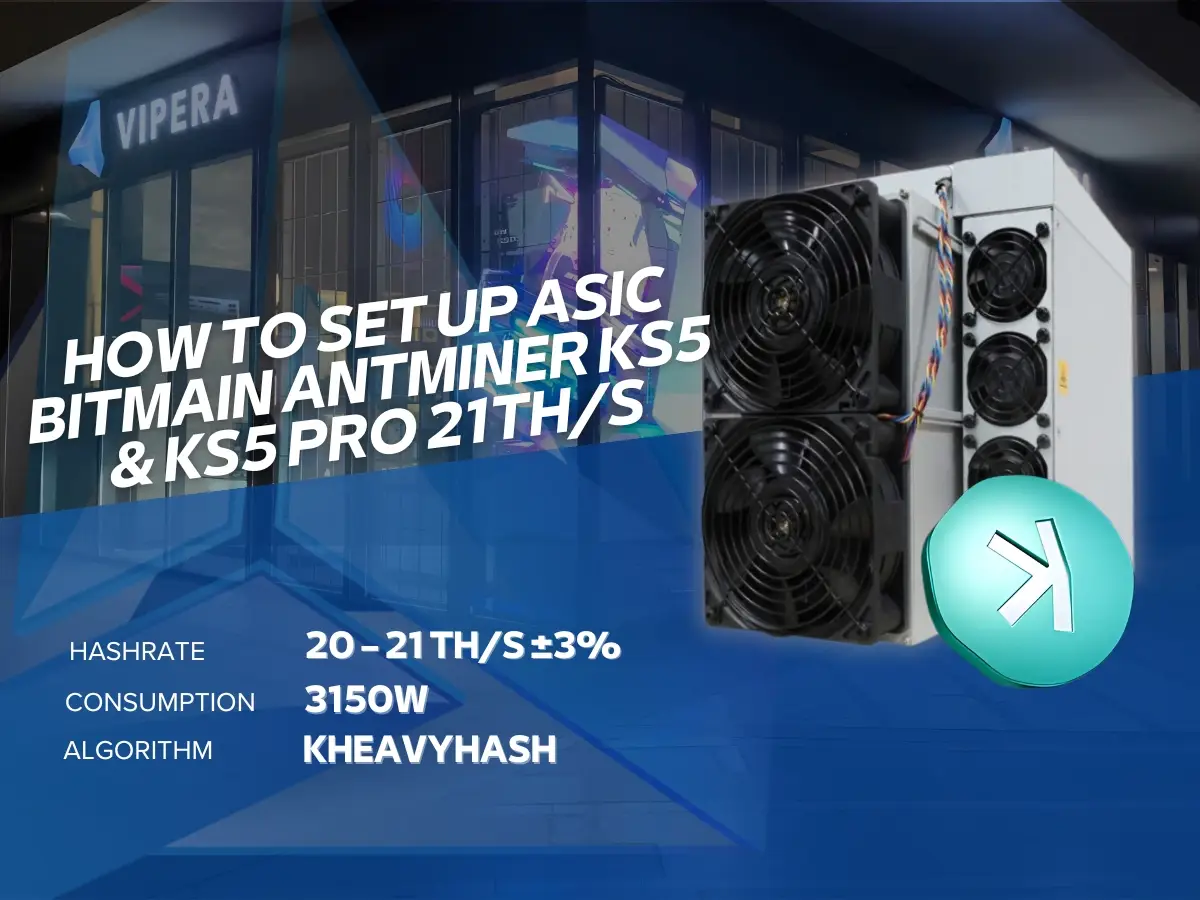
This blog will guide you through the setup process for the Bitmain Antminer KS5 and KS5 Pro, highlighting their key characteristics, hashrate, profitability, and essential configurations. You’ll also find tips on firmware updates and monitoring your miner’s performance. Let me know if this summary works for you!
Bitmain has rolled out two new powerhouse ASICs for KASPA (kHeavyHash) mining — Antminer KS5 and Antminer KS5 Pro. These models double the performance of their predecessors, making them the most profitable ASICs currently available!

Bitmain Antminer KS5 Pro 21TH/s 3150W (KAS)

The Antminer KS5 ASIC delivers a formidable 20Th/s (±3%) on the kHeavyHash (KASPA) algorithm, matching the performance of 200 Iceriver KS0 units while consuming significantly less power — just 3000 watts compared to 13000 watts. The enhanced KS5 Pro model boosts the hashrate to 21Th/s (±3%) and uses 3150W, positioning it as the most powerful kHeavyHash ASIC on the market.
Both the Bitmain Antminer KS5 and KS5 Pro are dedicated to mining coins using the kHeavyHash algorithm. These ASICs are not configurable for other algorithms, ensuring they operate at peak efficiency for KASPA mining.
Currently, the daily profitability of the Bitmain Antminer KS5 hovers around $92.52, excluding electricity costs. The KS5 Pro version slightly ups the ante with a daily profitability of approximately $97.14. For the most accurate profitability estimates, including electricity costs, check live mining profitability here.
Enter the wallet address and worker name in the format:
kaspa:abcdefghijklmnopqrstuvwxyz.bitmain — your wallet address, starting with;
Kaspa:
Bitmain — Your ASIC name.
Ensure all three lines are configured identically to maintain operation if the connection drops.
Click “Save” to store your settings.
Click “Restart Miner” to reboot the ASIC.
Use the “Dashboard” page to track your hashrate, accepted shares, and other crucial statistics.
If you need to update or change the firmware:
Visit the manufacturer’s website and download the necessary firmware from here.
Open the “Firmware upgrade” page, select the downloaded update file. https://shop.bitmain.com/support/download
Follow the developer’s instructions to update and reboot your ASIC.

Kaspa mining is becoming increasingly popular in the world of cryptocurrency. Like every other cryptocurrency, Kaspa requires a mandatory mining process to validate transactions. This comprehensive guide will take you through the entire process, from understanding what Kaspa mining is to setting up your mining rig and optimizing your profits.

Kaspa mining is crucial for validating and verifying transactions on the Kaspa network. Since Kaspa is decentralized and not governed by any central authority like banks or financial institutions, mining ensures the integrity and security of the network. Miners use specialized hardware to solve complex mathematical problems, thereby validating transactions and adding them to the distributed Kaspa ledger.
Kaspa’s unique blockDAG architecture follows the GhostDAG protocol, allowing it to process multiple transactions in parallel rather than sequentially like traditional blockchains. This results in much faster transaction times — Kaspa transactions are confirmed in just 10 seconds, compared to Bitcoin’s 10 minutes. This makes Kaspa ideal for daily transactions and sets it apart from many other cryptocurrencies.

To mine Kaspa effectively, you need specialized hardware. General-purpose devices like CPUs and GPUs are inefficient due to the increasing mining difficulty. Instead, you’ll need Application-Specific Integrated Circuits (ASICs) designed specifically for Kaspa’s KHeavyhash algorithm. These ASIC miners offer high hash rates and energy efficiency, making them ideal for Kaspa mining.
High hash rate | Better energy efficiency | Reasonable power consumption | Effective cooling system
To receive your mining rewards, you need a Kaspa wallet. There are several types of wallets available:
Web/Mobile Wallet: Backed by Progressive Web App (PWA) technology, it’s easy to use and secure.
Desktop Wallet — KDX: Managed by KDX process managers for seamless installation and configuration.
Command Line Wallet: Part of the core Kaspa node software bundle, maintained by the Kaspa core team.
Ledger with KASVault: A frontend interface for using your hardware wallet with Kaspa. You can create your Kaspa Web Wallet by clicking here.

Choosing the right mining software is essential for effective Kaspa mining. The software regulates your mining hardware, ensuring it efficiently solves algorithms and mines new Kaspa coins.
While solo mining is possible, joining a mining pool can increase your chances of earning rewards, especially if you’re a beginner. Many pools support Kaspa mining. When configuring your mining rig, add the pool name, miner name, and password. It’s advisable to join multiple pools to ensure uninterrupted mining.
You can find suitable Kaspa mining pools here.
Once your hardware is connected to a mining pool, you can start mining immediately. Monitor your mining status, including hash rate, energy consumption, and temperature, in real-time on your ASIC’s dashboard. Optimize these settings for better performance and restart your miner if you encounter any delays in readings.

Predicting the profitability of Kaspa mining involves several factors:
Kaspa’s Price: The current and historical prices of Kaspa directly affect your mining profits.
Electricity Costs: Mining is energy-intensive, so high electricity costs can significantly impact profitability.
Quality of Mining Hardware: The efficiency, hash rate, and power consumption of your mining hardware play crucial roles in determining your profits.
Mining Pool Fees: Be aware of any fees associated with joining a mining pool, as they can also affect your overall profitability.
Mining Kaspa can be a rewarding venture if you have the right hardware and follow best practices. By investing in specialized ASIC miners, setting up a secure wallet, and joining a reliable mining pool, you can maximize your chances of success. Keep an eye on Kaspa’s market trends and electricity costs to ensure your mining operation remains profitable.
Follow this guide, and you’ll be well on your way to becoming a successful Kaspa miner!
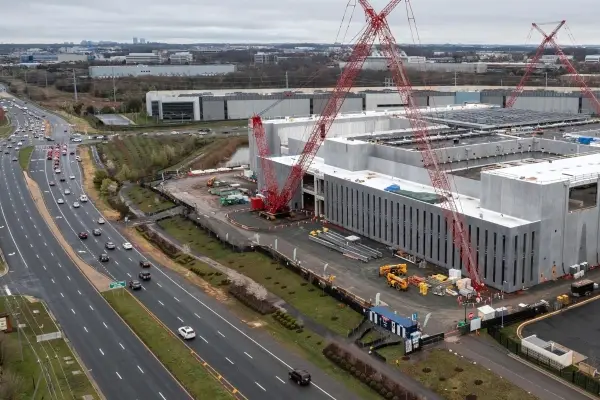
The demand for data centers to support the booming AI industry is at an all-time high. Companies are scrambling to build the necessary infrastructure, but they’re running into significant hurdles. From parts shortages to power constraints, the AI industry's rapid growth is stretching resources thin and driving innovation in data center construction.
Data center executives report that the lead time to obtain custom cooling systems has quintupled compared to a few years ago. Additionally, backup generators, which used to be delivered in a month, now take up to two years. This delay is a major bottleneck in the expansion of data centers.
Finding affordable real estate with adequate power and connectivity is a growing challenge. Builders are scouring the globe and employing creative solutions. For instance, new data centers are planned next to a volcano in El Salvador to harness geothermal energy and inside shipping containers in West Texas and Africa for portability and access to remote power sources.
Earlier this year, data-center operator Hydra Host faced a significant hurdle. They needed 15 megawatts of power for a planned facility with 10,000 AI chips. The search for the right location took them from Phoenix to Houston, Kansas City, New York, and North Carolina. Each potential site had its drawbacks—some had power but lacked adequate cooling systems, while others had cooling but no transformers for additional power. New cooling systems would take six to eight months to arrive, while transformers would take up to a year.
The demand for computational power has skyrocketed since late 2022, following the success of OpenAI’s ChatGPT. The surge has overwhelmed existing data centers, particularly those equipped with the latest AI chips, like Nvidia's GPUs. The need for vast numbers of these chips to create complex AI systems has put enormous strain on data center infrastructure.
The amount of data center space in the U.S. grew by 26% last year, with a record number of facilities under construction. However, this rapid expansion is not enough to keep up with demand. Prices for available space are rising, and vacancy rates are negligible.
Jon Lin, the general manager of data-center services at Equinix, explains that constructing a large data facility typically takes one and a half to two years. The planning and supply-chain management involved make it challenging to quickly scale up capacity in response to sudden demand spikes.
Tech giants like Amazon Web Services, Microsoft, and Google are investing billions in new data centers. For example, Google’s capital expenditures on data infrastructure jumped 45% year-over-year to $11 billion in late 2023. Microsoft, aiming to control costs, spent over $30 billion on data centers in 2023.

Why the AI Industry’s Thirst for New Data Centers Can’t Be Satisfied
© Provided by The Wall Street Journal
The rush to build data centers has extended the time required to acquire essential components. Transceivers and cables now take months longer to arrive, and there’s a shortage of construction workers skilled in building these specialized facilities. AI chips, particularly Nvidia GPUs, are also in short supply, with lead times extending to several months at the height of demand.
Data centers require vast amounts of reliable, affordable electricity. In response, companies are exploring innovative solutions. Amazon bought a data center next to a nuclear power plant in Pennsylvania. Meta Platforms is investing $800 million in computing infrastructure in El Paso, Texas. Standard Power is planning to use modular nuclear reactors to supply power to data centers in Ohio and Pennsylvania.

Why the AI Industry’s Thirst for New Data Centers Can’t Be Satisfied
© Provided by The Wall Street Journal
Startups like Armada are building data centers inside shipping containers, which can be deployed near cheap power sources like gas wells in remote Texas or Africa. In El Salvador, AI data centers may soon be powered by geothermal energy from volcanoes, thanks to the country’s efforts to create a more business-friendly environment.
The AI industry’s insatiable demand for data centers shows no signs of slowing down. While the challenges are significant—ranging from parts shortages to power constraints—companies are responding with creativity and innovation. As the industry continues to grow, the quest to build the necessary infrastructure will likely become even more intense and resourceful.
1. Why is there such a high demand for data centers in the AI industry?
The rapid growth of AI technologies, which require significant computational power, has driven the demand for data centers.
2. What are the main challenges in building new data centers?
The primary challenges include shortages of critical components, suitable real estate, and sufficient power supply.
3. How long does it take to build a new data center?
It typically takes one and a half to two years to construct a large data facility due to the extensive planning and supply-chain management required.
4. What innovative solutions are companies using to meet power needs for data centers?
Companies are exploring options like modular nuclear reactors, geothermal energy, and portable data centers inside shipping containers.
5. How are tech giants like Amazon, Microsoft, and Google responding to the demand for data centers?
They are investing billions of dollars in new data centers to expand their capacity and meet the growing demand for AI computational power.
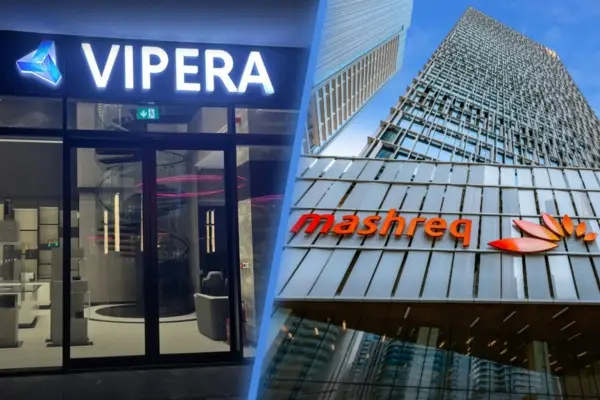
Vipera, in partnership with Mashreq Bank, is thrilled to announce a groundbreaking development for our clients. We are now accepting letters of credit for all volume and high-ticket orders exceeding $100,000 USD. This strategic collaboration aims to streamline large transactions, providing a secure and efficient payment method for our customers globally.
In today’s fast-paced business environment, ensuring the security and efficiency of high-value transactions is paramount. By partnering with Mashreq Bank, Vipera offers an enhanced payment solution for orders above $100,000.
This service caters to businesses looking to make substantial investments in technology without the hassles traditionally associated with large financial transactions.

A letter of credit ensures that payment is made according to the agreed terms and conditions, reducing the risk of non-payment. This financial instrument provides a level of security that is particularly crucial for international transactions, where the risk of default can be higher due to different jurisdictions and legal systems.
The use of letters of credit simplifies the payment process for large transactions. This means less time spent on administrative tasks and more focus on core business activities. Businesses can benefit from quicker processing times, ensuring that orders are fulfilled promptly and without unnecessary delays.
The introduction of letters of credit brings several advantages to our clients:
Letters of credit are widely recognized and accepted globally, making them an ideal tool for facilitating international trade. By providing a secure method of payment, they help to build trust between parties who may be dealing with each other for the first time, thereby fostering long-term business relationships.
Letters of credit offer flexibility in terms of payment. Businesses can negotiate the terms that best suit their needs, whether it’s immediate payment upon delivery or payment after a certain period. This flexibility helps in managing cash flow more effectively, which is crucial for maintaining the financial health of any business.

A letter of credit is a financial instrument issued by a bank guaranteeing that a buyer’s payment to a seller will be received on time and for the correct amount. In the event that the buyer is unable to make a payment, the bank covers the full or remaining amount of the purchase.
By integrating this system, Vipera ensures that our clients can confidently place large orders knowing that their payments are secured by Mashreq Bank.
The acceptance of letters of credit for orders over $100,000 USD marks a significant milestone for Vipera. This initiative, in collaboration with Mashreq Bank, exemplifies our dedication to facilitating secure and efficient transactions for our clients globally. We invite businesses to take advantage of this new offering and experience seamless high-value transactions with Vipera.

Ever wondered how you can mine multiple cryptocurrencies at once? Merged mining might be the answer! Dive into our comprehensive guide to understand what merged mining is, how it operates, and why it’s beneficial for the crypto mining community.
Merged mining is an innovative technique that allows miners to mine multiple Proof-of-Work (PoW) based cryptocurrencies simultaneously, provided they share the same hashing algorithm. By using the same mining hardware, miners can contribute their computational power to multiple blockchains at once, earning rewards from each. The concept of merged mining was first proposed by Satoshi Nakamoto, the anonymous creator of Bitcoin, back in 2010. This method enabled miners to mine another cryptocurrency alongside the primary blockchain, Bitcoin. The secondary blockchain involved in this process is known as an auxiliary blockchain.
For merged mining to work, the auxiliary cryptocurrency must utilize the same hashing algorithm as the primary cryptocurrency. In the case of Bitcoin, this algorithm is SHA-256.

Merged mining works by allowing miners to solve cryptographic puzzles for multiple blockchains using a single piece of work. Here’s a simplified explanation of the process:
Mining Setup: Miners set up their mining hardware and software to support both the primary blockchain (e.g., Bitcoin) and the auxiliary blockchain (e.g., Namecoin).
Block Creation: Miners create a block for the primary blockchain, which includes a block header, transaction data, and a nonce.
Hash Calculation: The miner calculates the hash of the block header. If the hash meets the difficulty target of the primary blockchain, the block is valid for that blockchain.
Proof Submission: The same proof-of-work is submitted to the auxiliary blockchain. If the hash also meets the difficulty target of the auxiliary blockchain, the block is valid for that blockchain as well.

If you’re interested in participating in merged mining, which allows you to mine multiple cryptocurrencies simultaneously, there are several key elements you’ll need to ensure success. Here’s what you’ll need:
1. Suitable ASIC Miner
You must have an Application-Specific Integrated Circuit (ASIC) miner that is tailored for the primary cryptocurrency blockchain you wish to mine. For example, if you’re focusing on Bitcoin and other related cryptocurrencies, you’ll need an ASIC miner optimized for the SHA-256 algorithm.
2. Compatible Mining Pool
Choose a mining pool that supports merged mining and the specific cryptocurrencies you’re interested in. The mining pool should offer merged mining services. For instance, if Bitcoin is your primary blockchain, the pool should enable you to mine all associated cryptocurrencies that use the SHA-256 algorithm, such as Bitcoin SV and Bitcoin Cash.
3. Supportive Auxiliary Blockchain
To mine multiple cryptocurrencies, you need an auxiliary blockchain that supports merged mining. This requires AuxPoW (Auxiliary Proof-of-Work) support. Not all blockchains that share the same hashing algorithm support AuxPoW, so it’s crucial to verify this before starting with merged mining.
By ensuring you have the right ASIC miner, choosing a compatible mining pool, and verifying AuxPoW support on auxiliary blockchains, you can successfully engage in merged mining and optimize your cryptocurrency mining efforts.
Increased Efficiency Merged mining allows miners to simultaneously mine multiple cryptocurrencies on both the primary and auxiliary blockchains, maximizing their hardware utilization.
Enhanced Mining Rewards By participating in merged mining, miners can receive rewards from both the primary and auxiliary blockchain networks, potentially leading to higher overall profits.

Complex Setup Implementing merged mining can be technically challenging and requires a high level of technical expertise. The setup is more intricate and demands more effort compared to mining on a single blockchain.
Dependence on Parent Blockchain The security of the auxiliary blockchain depends on the hash power of the parent blockchain. This means that the auxiliary chain’s security is directly tied to the strength and stability of the primary blockchain.
Merged mining primarily involves the SHA-256 and Scrypt algorithms. However, it’s important to note that not all mining pools provide merged mining services. Therefore, miners need to thoroughly investigate the pool’s merged mining offerings and the supported cryptocurrencies before proceeding.
Prominent examples of merged mining include Bitcoin and Namecoin. Additionally, Litecoin and Dogecoin can be mined together. Despite the potential benefits, merged mining requires a high level of technical expertise due to its complex design.
Merged mining is a distinctive approach in the blockchain space, allowing miners to simultaneously mine multiple cryptocurrencies. This can lead to increased mining profits. However, it requires significant technical expertise. To succeed in merged mining, miners should continuously educate themselves about the latest trends and advancements in the blockchain and cryptocurrency industries.
Merged mining can make the Proof of Work (PoW) mechanism more energy efficient. This is because the energy expenditure is shared between the two blockchain networks, which can lead to enhanced mining profits for the user.
One of the risks associated with merged mining is that as more users participate across multiple chains, the increasing mining difficulty of auxiliary chains can eventually hinder miners from effectively leveraging these auxiliary blockchains. This escalation in difficulty may diminish the potential benefits of merged mining over time.

The U.S. Securities and Exchange Commission (SEC) has given the green light to Nasdaq, CBOE, and NYSE to list exchange-traded funds (ETFs) linked to the price of ether. This significant approval could allow these ETFs to start trading later this year.
Although the ETF issuers must still obtain final approval before launching their products, Thursday’s decision marks a surprising victory for these firms and the broader cryptocurrency industry, which had anticipated a rejection from the SEC as recently as Monday.

Nine issuers, including VanEck, ARK Investments/21Shares, and BlackRock, are aiming to launch ETFs linked to ether, the second-largest cryptocurrency. This follows the SEC’s approval of bitcoin ETFs in January, a landmark event for the industry.
“This is an exciting moment for the industry at large,” remarked Andrew Jacobson, vice president and head of legal at 21Shares, highlighting it as “a significant step” towards bringing these products to market.
Thursday marked the SEC’s deadline to decide on VanEck’s filing. Market participants were anticipating a rejection, as the SEC had not communicated with them regarding the applications.
However, in an unexpected turn of events, SEC officials requested the exchanges on Monday to swiftly refine the filings, leading to a scramble to complete weeks of work in just days, according to sources. ViperaTech could not determine the reason behind the SEC’s apparent change of stance.
“The introduction of spot bitcoin ETFs has already shown considerable benefits for the digital assets and ETF market, and we believe that spot ether ETFs will offer similar protections for U.S. investors,” stated Rob Marrocco, global head of ETP listings at Cboe Global Markets.
Both Nasdaq and NYSE chose not to comment.
When SEC Chair Gary Gensler, known for his critical stance on cryptocurrency, was asked about the ether ETFs at an industry event earlier on Thursday, he declined to comment. An SEC spokesperson, in an email announcing the approval, also stated that the agency would not provide further comments.
The exchange applications requested SEC approval for a rule change necessary to list new products. However, the issuers still need the SEC to approve their ETF registration statements, which include investor disclosures, before these products can begin trading.

Unlike the exchange filings, there is no fixed timeline for the SEC to decide on the registration statements for the ETFs. Industry participants are uncertain about the duration of this process. According to two sources familiar with the situation, many issuers are prepared to launch, but the SEC’s corporate finance division is expected to request changes and updates in the coming days and weeks.
The SEC had rejected spot bitcoin ETFs for over a decade due to concerns about market manipulation but was compelled to approve them following Grayscale Investments’ court victory last year. Sui Chung, CEO of CF Benchmarks, the index provider for several bitcoin and ether ETFs, noted that ether’s complexity compared to bitcoin might extend the SEC’s review process. However, since the bitcoin ETFs have established a template, “there’s only so much slow rolling” the SEC can do, he remarked.
An array of investors, including hedge funds, wealth advisors, and retail investors, have invested over $30 billion in crypto ETFs. Thursday’s decision marks another positive development for the cryptocurrency industry’s efforts to integrate with mainstream finance. Additionally, this week, the UK regulator approved listed cryptocurrency products, and the U.S. House of Representatives passed a landmark bill aimed at providing regulatory clarity for cryptocurrencies. While the bill still needs Senate approval, its strong bipartisan support represents a significant endorsement for the industry.